Tennis elbow, golfer’s elbow and more
Most elbow pain comes from the tendons that attach the forearm muscles to the elbow, often from repeated gripping, lifting, swinging or computer work. The American Academy of Orthopaedic Surgeons reports that about 80% to 95% of people with tennis elbow get better without surgery.
Mayo Clinic notes that exercises to rebuild strength and regain use of the elbow are vital to recovery, whatever the treatment. That is the center of how we treat elbows.
By the numbers
Signs your elbow needs a closer look
- Pain on the outside or inside of the elbow when gripping or lifting
- Weak grip, or pain shaking hands or opening jars
- Pain that has lasted more than a few weeks
You do not need a referral to start. If anything in your exam suggests you need imaging or a physician first, we will tell you.
Common conditions we treat
- Tennis elbow (lateral elbow tendinopathy)
- Golfer’s elbow (medial elbow tendinopathy)
- Throwing elbow pain and UCL injuries
- Biceps and triceps tendon pain
- Ulnar nerve irritation (cubital tunnel)
- Elbow stiffness after injury or surgery
- Elbow pain in weightlifters, tennis players and golfers
- Rehabilitation after elbow fracture or surgery
The injection is not a shortcut
In a well-known trial, a cortisone injection helped tennis elbow quickly at six weeks, but 72% of those patients got worse again afterward, and by one year they had done worse than the patients treated with physical therapy.
A progressive tendon-loading program, hands-on treatment and changes to how you grip and lift take a little longer, but tend to hold up.
How we evaluate your elbow
Your first visit is a full hour, one-on-one.
Your story and goals
When it started, what makes it worse, and what you need your arm to do.
Neck and shoulder screen
Elbow pain sometimes comes from the neck or a nerve.
Tendon testing
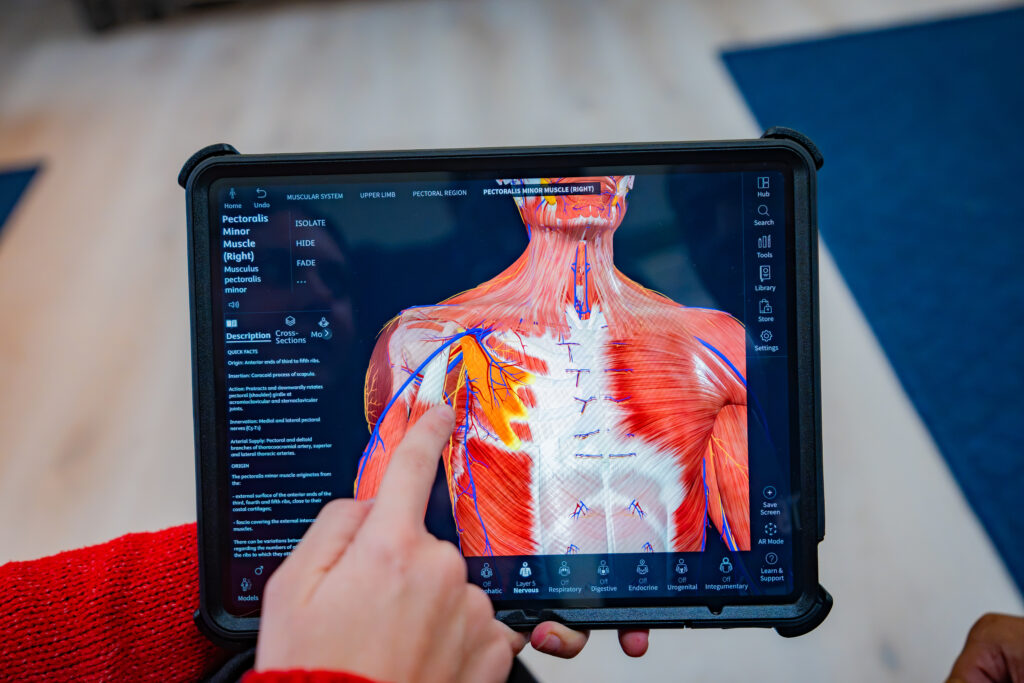
Hands-on and resisted tests for the forearm tendons.
Grip strength
Measured side to side, with and without pain.
Nerve check
Sensation and strength in the hand and forearm.
Your grip, swing and setup
Racquet, club, lifting technique or workstation.
Your elbow program
-
Calm it down
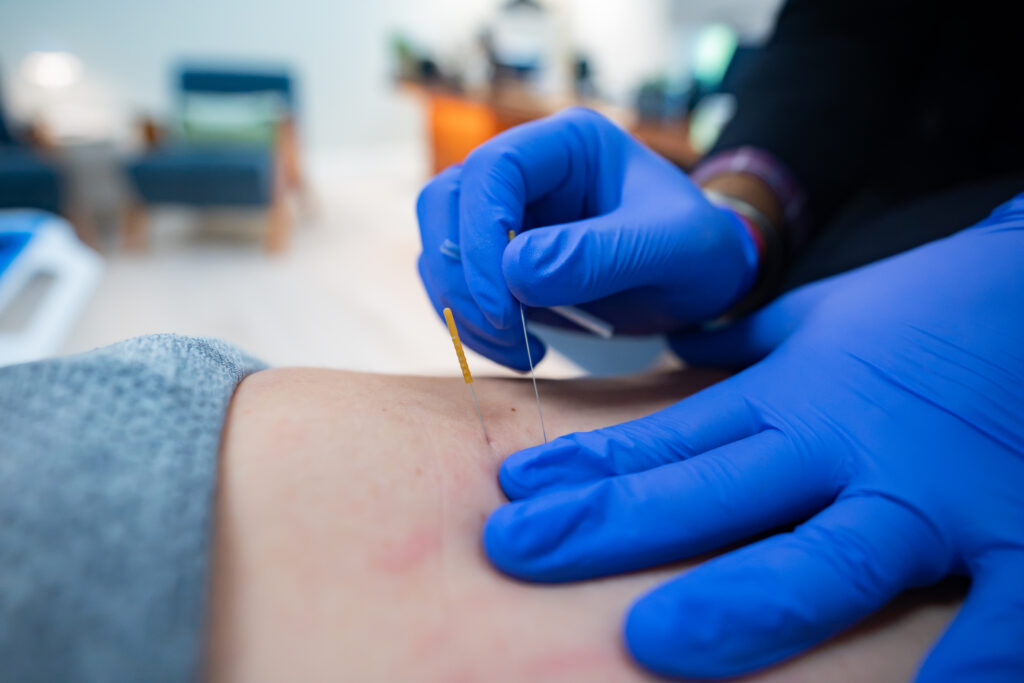
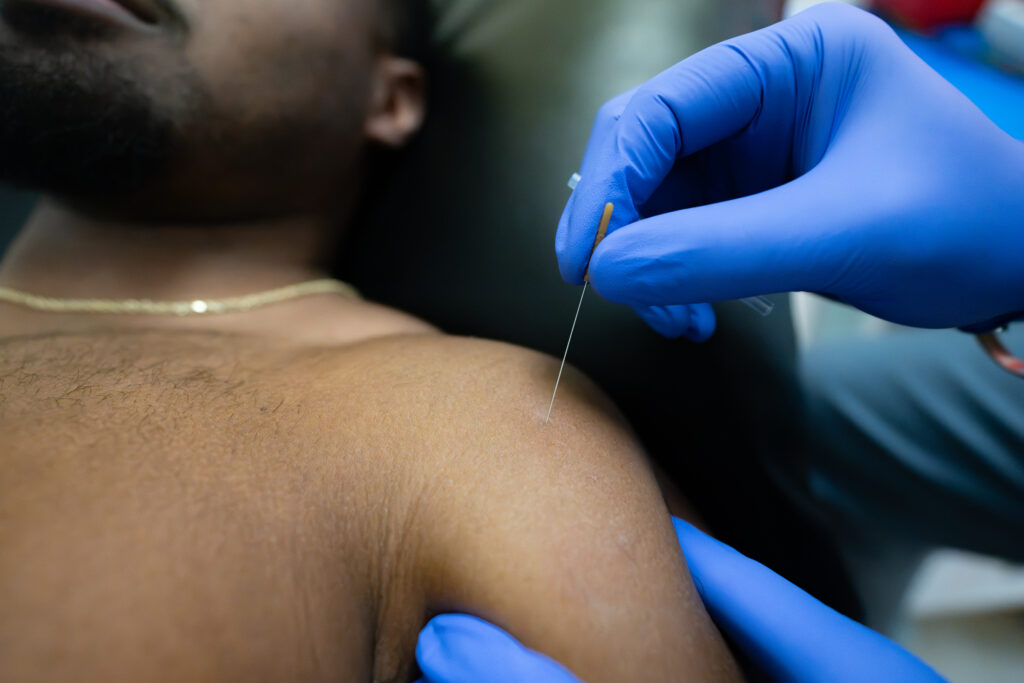
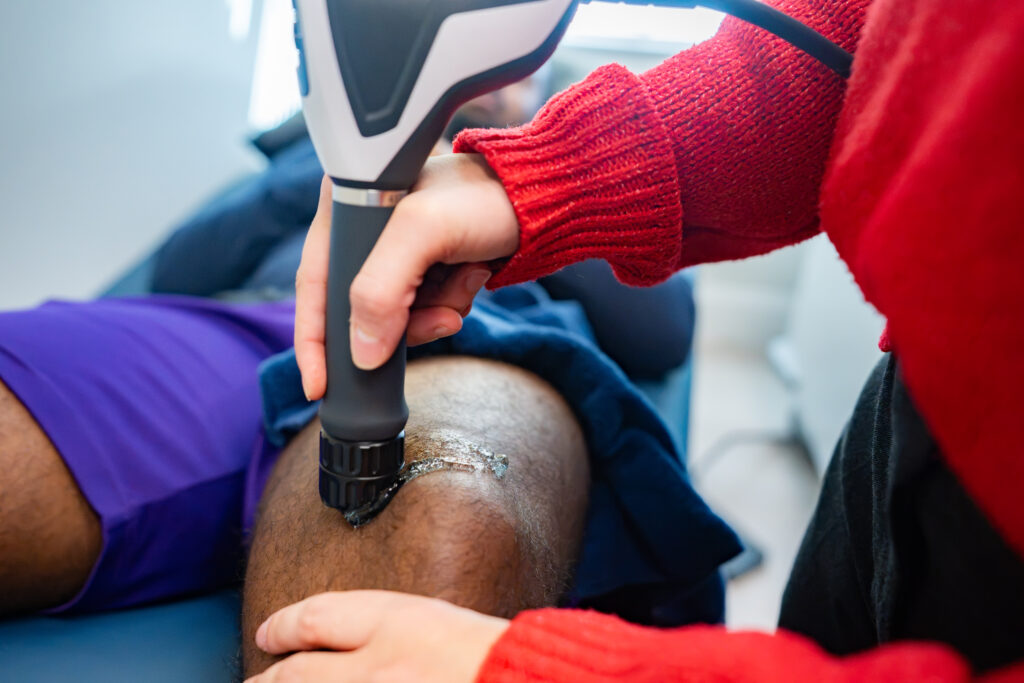
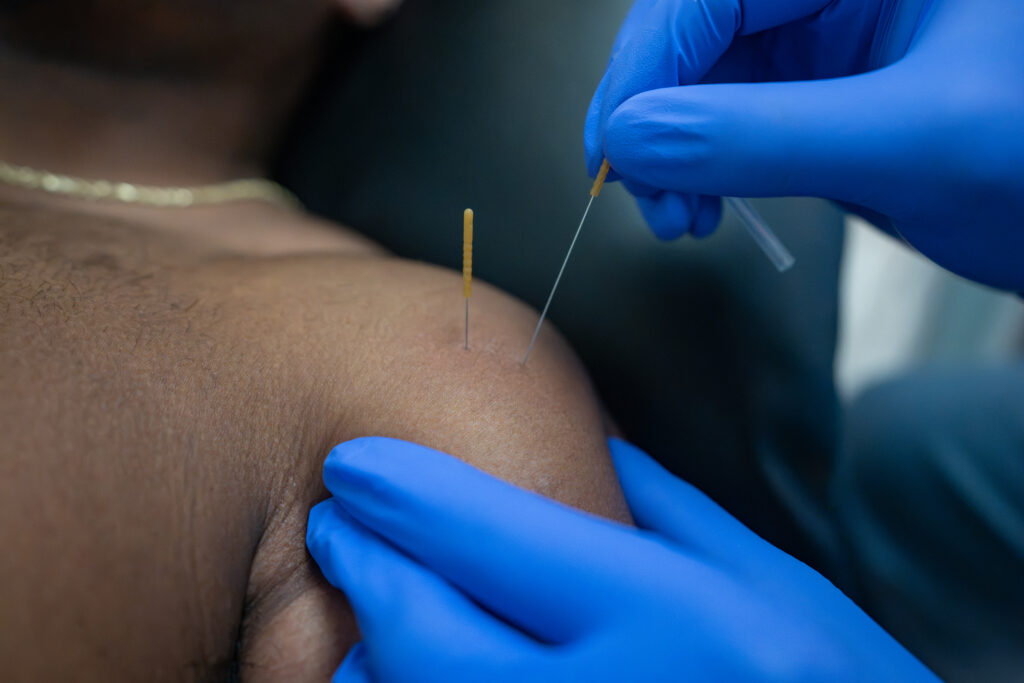
Dry needling, shockwave or hands-on treatment when appropriate, and short-term changes to aggravating tasks.
-
Load the tendon
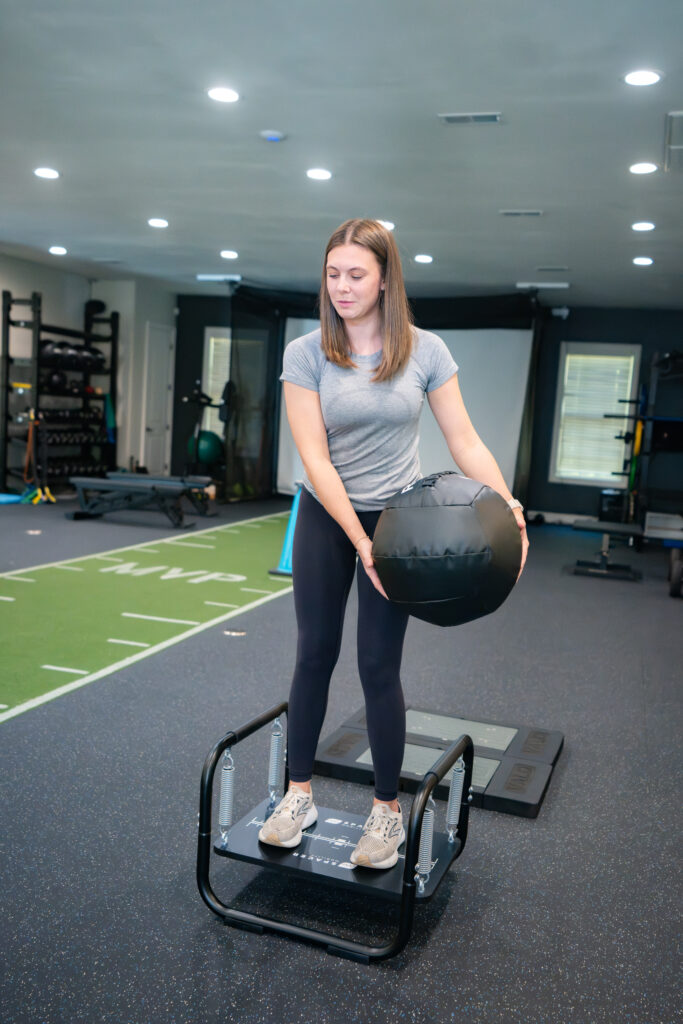
Progressive tendon-loading exercises, the core of tendon recovery.
-
Build grip and shoulder strength
Grip, forearm and shoulder strength measured as you go.
-
Fix the technique
Grip, swing, lifting or workstation changes.
-
Return
Back to tennis, golf, lifting and work.
Treatments that often help
Tennis or golf player? See Tennis Performance and Golf Performance.
What the research says
In a randomized trial comparing physical therapy, corticosteroid injection and wait-and-see for tennis elbow, injection had the best results at six weeks, but 72% of injection patients deteriorated afterward, and at one year injection results were significantly worse than physical therapy.
What leading medical centers say
Mayo Clinic says exercises to rebuild strength and regain use of the elbow are vital to recovery, that forearm strengthening exercises are part of physical therapy care, and that surgery is considered only after 6 to 12 months of other treatment.
The American Academy of Orthopaedic Surgeons reports that about 80% to 95% of patients with tennis elbow have success with nonsurgical treatment, with specific forearm-strengthening exercises a core part of care.
American Academy of Orthopaedic Surgeons. Tennis elbow (lateral epicondylitis).