
Pain at the base of the spine
Pain at the very bottom of the back, in the buttock or right on the tailbone often comes from the sacroiliac (SI) joints, where the spine meets the pelvis, or from the coccyx itself. Researchers estimate that 15% to 30% of people with low back pain have SI joint dysfunction.
Tailbone pain, called coccydynia, is about five times more common in women and often follows a fall, childbirth or long periods of sitting. Cleveland Clinic notes that in 90% of cases, people find relief without surgery.
By the numbers
Signs it is time to get checked
- Pain on one side at the very bottom of the back or in the buttock
- Pain sitting, especially on hard chairs, or standing up from sitting
- Pain after a fall, pregnancy or childbirth
You do not need a referral to start. If anything in your exam suggests you need imaging or a physician first, we will tell you.
Common conditions we treat
- Sacroiliac (SI) joint pain and dysfunction
- Tailbone pain (coccydynia)
- Pelvic girdle pain during and after pregnancy
- Buttock pain and deep gluteal pain
- Piriformis-related pain
- Pain after a fall onto the tailbone
- SI pain in runners, golfers and lifters
- Hip and pelvic muscle imbalances
The hips and pelvis work as a team
The SI joints move only a little, but they carry the load between your spine and legs every time you walk, run or stand on one leg. Weak or poorly coordinated glute, hip and core muscles leave the joint doing more than its share.
That is why treatment usually pairs hands-on care for the joint with strengthening for the hips and trunk, plus simple changes to how you sit.
How we evaluate your SI joint and tailbone
Your first visit is a full hour, one-on-one.
Your story and red flags
How it started, what makes it worse, and a screen for warning signs that need a physician.
Low back screen
Ruling the lumbar spine in or out as the source.
SI joint provocation tests
A cluster of hands-on tests that point to the SI joint.
Hip motion and strength
Glute and hip strength measured side to side.
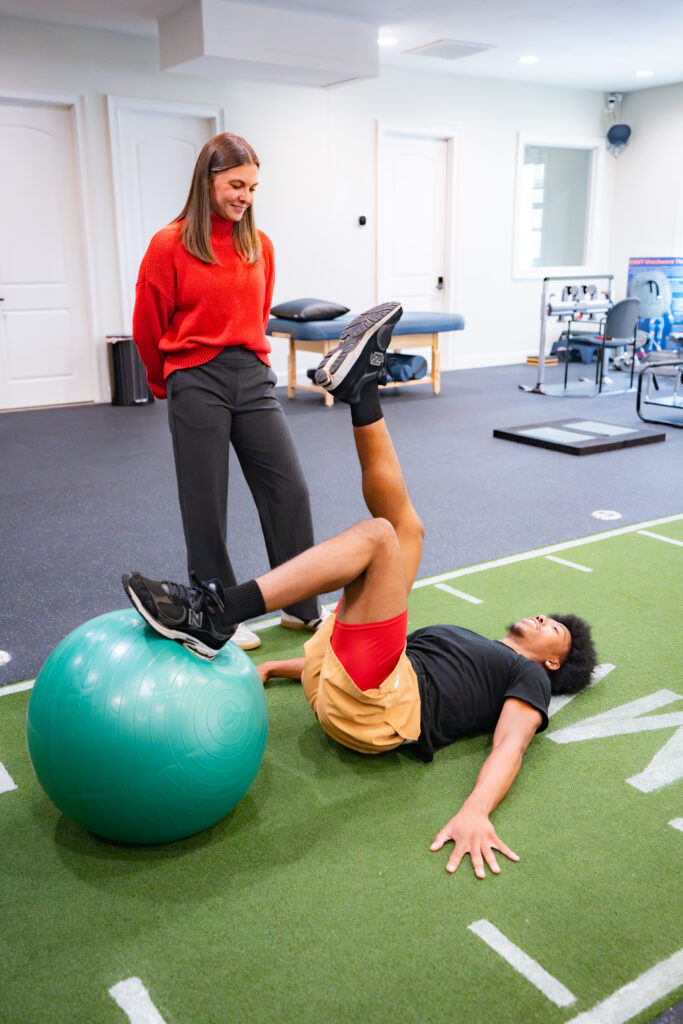
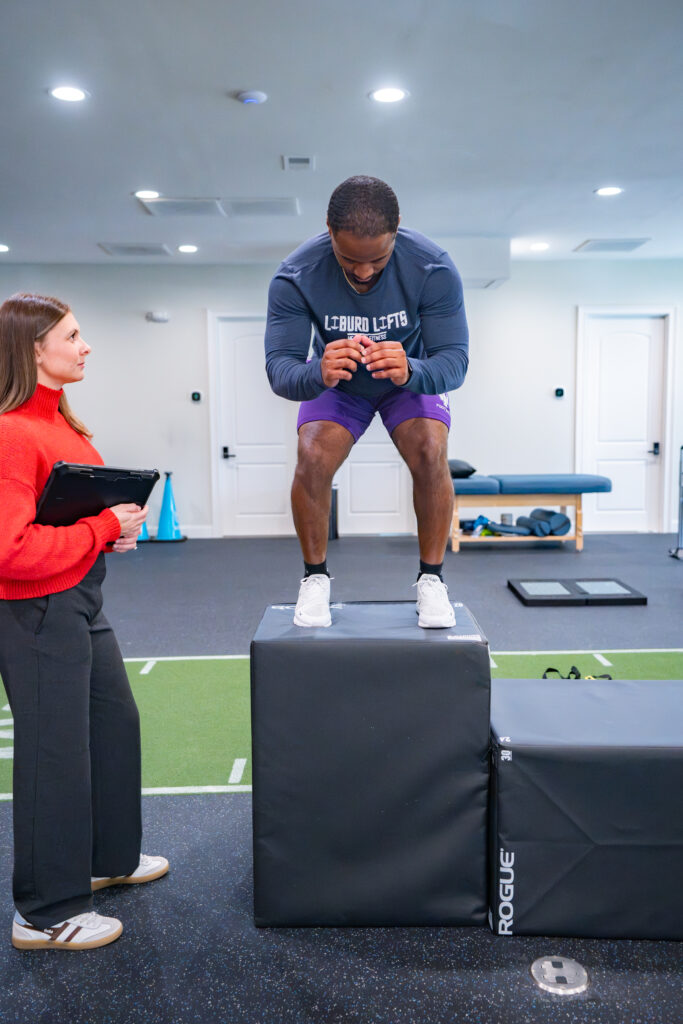
Single-leg control
How the pelvis holds steady when you stand, step and land on one leg.
Sitting and daily habits
Chairs, cushions, driving and work posture.
Your program
-
Calm it down
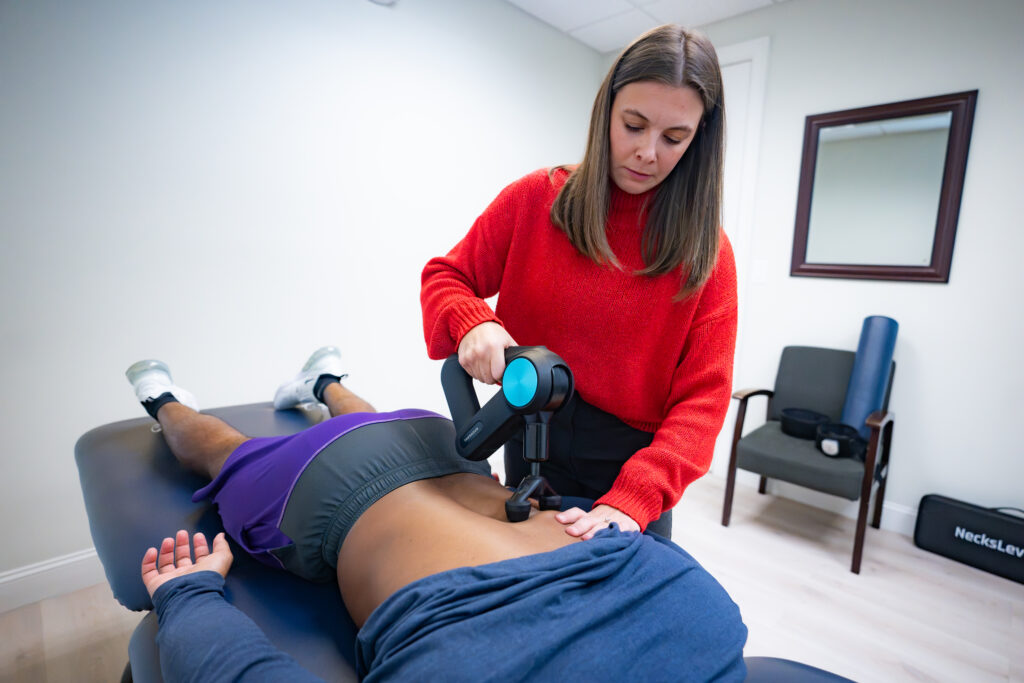
Hands-on treatment of the joint and surrounding muscles, and sitting changes that ease pressure on the tailbone.
-
Restore motion
Normal movement through the hips, pelvis and low back.
-
Strengthen
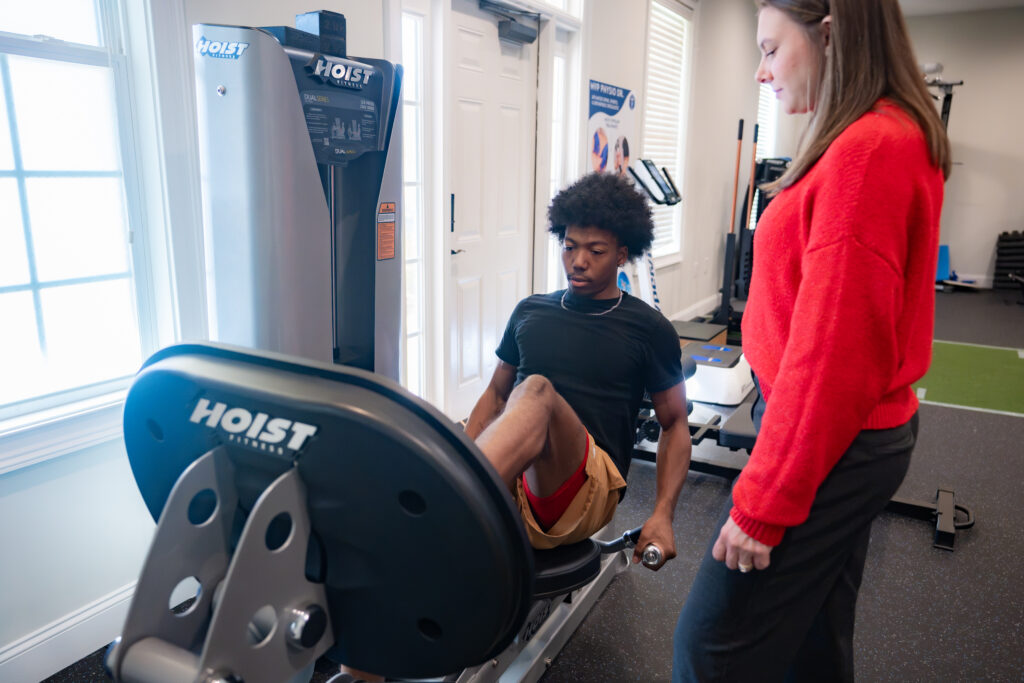
Glute, hip and core strengthening to support the joint.
-
Control
Single-leg balance and stepping so the pelvis stays steady.
-
Return
Running, lifting, golf or full days of sitting without pain.
Treatments that often help
Pain higher in the back? See Low Back Pain.
What the research says
Sacroiliac joint dysfunction is estimated to account for 15% to 30% of low back pain. Because SI pain can feel like a disc or hip problem, a careful hands-on exam matters.
What leading medical centers say
Cleveland Clinic reports that tailbone pain is about five times more likely in women than men, that 90% of people find relief with home care and simple measures, and lists physical therapy to stretch muscles and improve posture among the nonsurgical options.