
Your hands do everything
From typing and gripping to swinging a club or catching yourself in a fall, your hands and wrists are in constant use, so pain here gets in the way of almost everything. Cleveland Clinic reports that around 3 out of every 1,000 people in the U.S. develop carpal tunnel syndrome each year.
Mayo Clinic notes that nonsurgical treatment works best when carpal tunnel is caught early, and that certain physical and occupational therapy techniques may reduce symptoms. The same is true of most wrist and hand problems: early, targeted care makes a difference.
Signs your hand or wrist needs a closer look
- Numbness or tingling in the thumb and fingers, especially at night
- Pain or weakness gripping, typing or lifting
- Wrist stiffness after a fall, fracture or cast
You do not need a referral to start. If anything in your exam suggests you need an X-ray or a physician first, we will tell you.
Common conditions we treat
- Carpal tunnel syndrome
- De Quervain’s tendinopathy (thumb-side wrist pain)
- Wrist sprains and TFCC injuries
- Trigger finger
- Thumb and finger arthritis
- Wrist and hand pain in golfers, tennis players and lifters
- Stiffness and weakness after a wrist fracture
- Rehabilitation after hand or wrist surgery
Start early, treat the whole arm
Hand and wrist symptoms sometimes start higher up, in the neck, shoulder or elbow, where the nerves to the hand can get irritated. We check the whole arm before deciding the problem is only at the wrist.
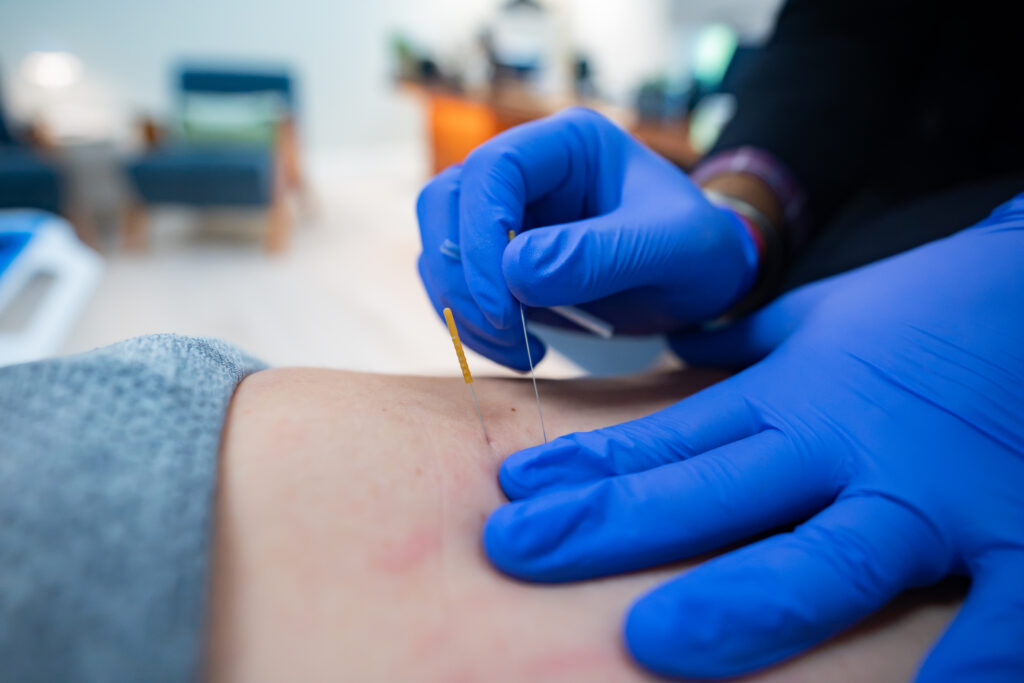
Treatment usually combines hands-on care, nerve and tendon gliding, splinting advice and progressive grip and forearm strengthening.
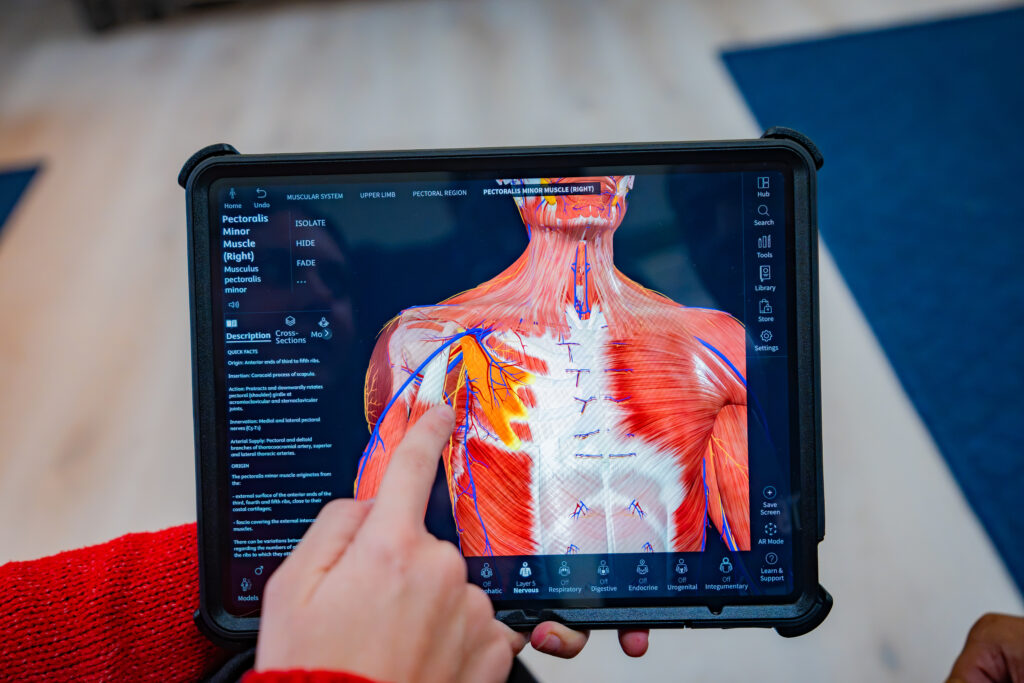
How we evaluate your hand and wrist
Your first visit is a full hour, one-on-one.
Your story and goals
When it started, what makes it worse, and what you need your hands to do.
Neck, shoulder and elbow screen
Nerves to the hand can be irritated anywhere along the arm.
Nerve testing
Sensation, strength and nerve tests for carpal tunnel and other nerve problems.
Tendon and joint tests
Hands-on tests for the wrist and thumb tendons and joints.
Grip and pinch strength
Measured side to side.
Work, sport and hobby setup
Keyboard, tools, club or racquet grip.
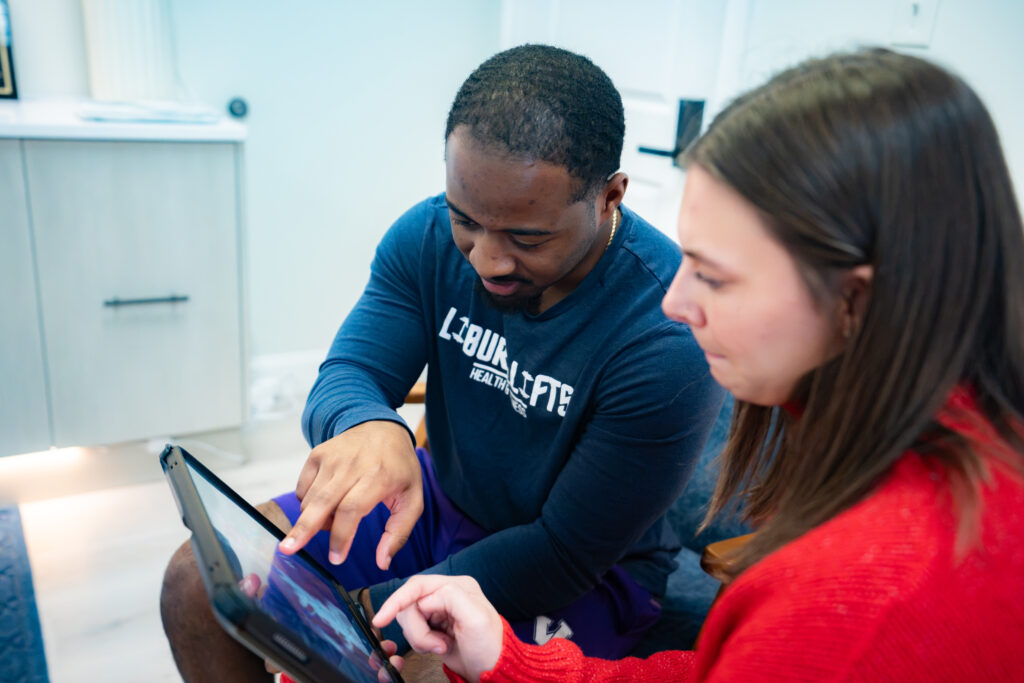
Your hand and wrist program
-
Calm it down
Hands-on treatment, splinting advice and activity changes to settle symptoms.
-
Glide and move
Nerve and tendon gliding and wrist motion work.
-
Strengthen
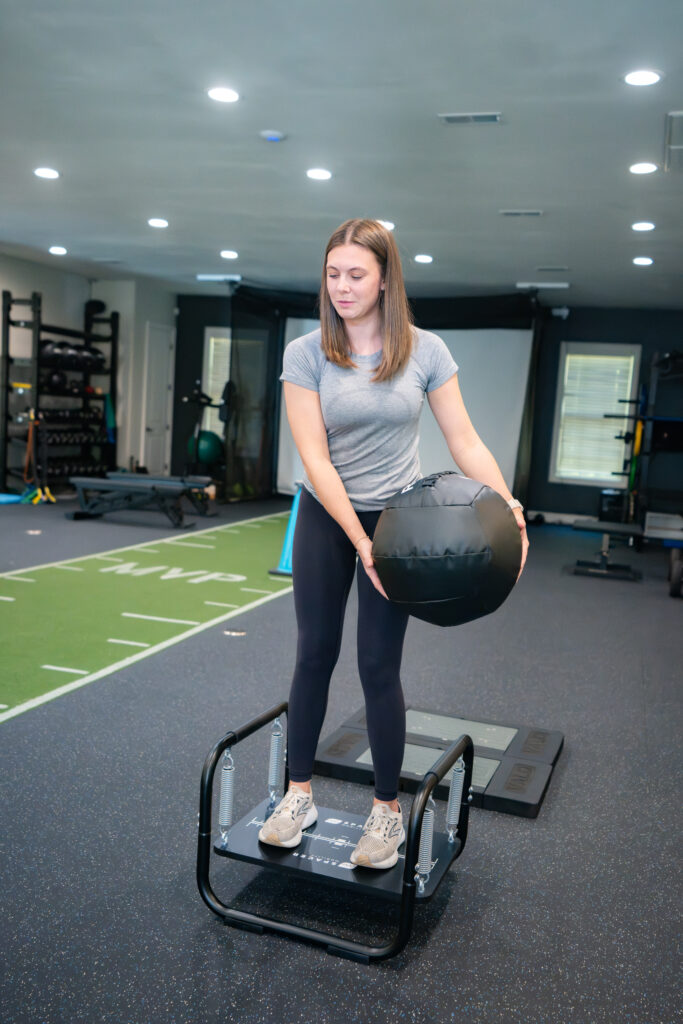
Grip, pinch and forearm strengthening measured as you go.
-
Fix the setup
Workstation, tool, club or racquet changes.
-
Return
Full work, sport and daily tasks.
Treatments that often help
Pain at the elbow too? See Elbow Pain.
What leading medical centers say
Mayo Clinic says nonsurgical treatment for carpal tunnel syndrome is more likely to help when symptoms are mild to moderate and caught early, that a night splint can ease tingling and numbness, and that early research suggests certain physical and occupational therapy techniques may reduce symptoms.
Mayo Clinic. Carpal tunnel syndrome: diagnosis and treatment.
Cleveland Clinic reports that around 3 out of every 1,000 people in the U.S. develop carpal tunnel syndrome each year, and lists physical therapy to strengthen the muscles around the wrist and improve flexibility among the nonsurgical treatments.