Balance is a skill, and it can be trained
Staying steady depends on three systems working together: your inner ear, your vision, and the sensors in your feet and joints. Add the strength to catch yourself and the reaction time to do it quickly, and you have balance.
With age, injury, surgery, neuropathy or long stretches of inactivity, one or more of those pieces slips, often without you noticing until you stumble. The good news is that every one of them responds to the right training. Balance and fall prevention is one of the most common reasons patients come to MVP Physio Dr., and one of the most rewarding things we treat.
By the numbers
Are you at risk? Ask yourself three questions
- Have you fallen in the past year?
- Do you feel unsteady when you stand or walk?
- Do you worry about falling?
These are the screening questions used by the CDC. If you answered yes to any of them, a fall-risk assessment is worth an hour of your time. Source: MedlinePlus, U.S. National Library of Medicine
Common conditions we treat
- Balance problems with aging
- A recent fall or near-fall
- Fear of falling
- Unsteadiness when walking, turning or on uneven ground
- Leg weakness that makes stairs or standing up from a chair hard
- Balance problems from peripheral neuropathy
- Balance after a hip or knee replacement
- Balance problems with Parkinson’s disease or after a stroke
Why falls happen
A fall rarely has a single cause. Cleveland Clinic lists the most common risk factors, and most of them are things we can measure and improve:
- Muscle weakness, especially in the hips and legs
- Problems with walking or balance
- A previous fall
- Vision problems
- Arthritis
- Neurological and heart conditions
- Taking more than four medications
- Being over 80
Breaking the fear-of-falling cycle
After a fall, or even after watching someone else fall, it is natural to start doing less. Cleveland Clinic describes how that turns into a vicious cycle: less activity means weaker legs and poorer balance, which raises the risk of the very fall you are trying to avoid. Tensing up when you feel unsteady makes it worse.
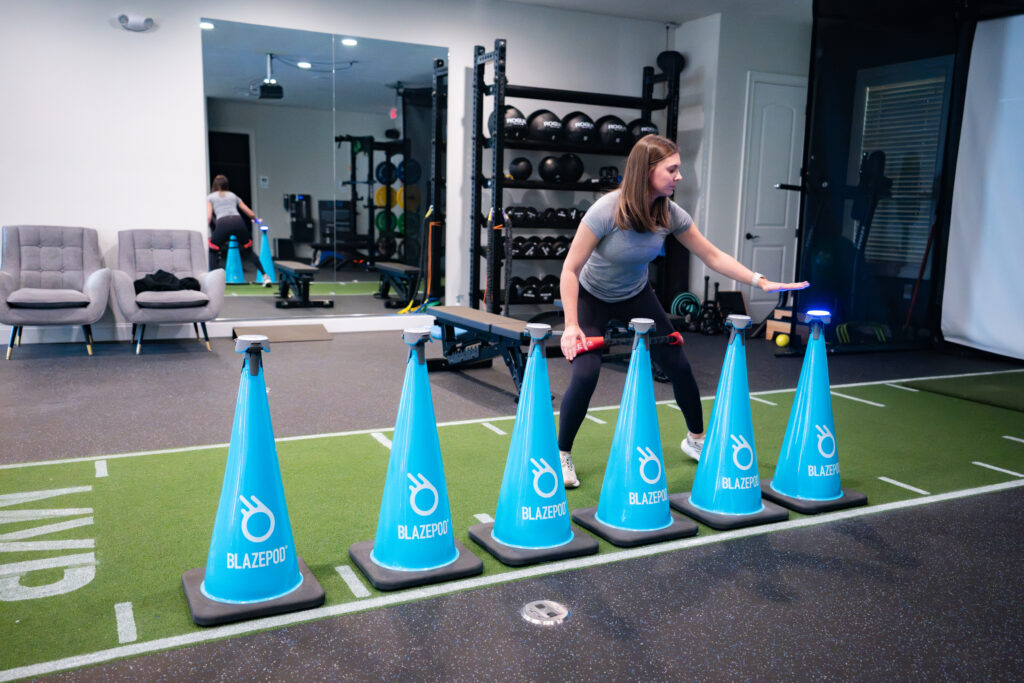
We break the cycle by rebuilding confidence in a safe, supervised setting. Your doctor stays at your side as each exercise gets a little harder, so you can push your balance without the risk of falling, and carry that confidence home.
How we test your fall risk
You get the same standardized tests the CDC recommends, plus objective strength testing on our force plates.
Timed Up and Go
Stand up from a chair, walk about 10 feet, turn and sit back down. Taking 12 seconds or longer suggests a higher risk of falling.
30-Second Chair Stand
How many times you can stand up and sit down in 30 seconds with your arms crossed, compared with healthy adults your age.
4-Stage Balance Test
Four stances, each held for 10 seconds, from feet together to standing on one leg. Trouble with the narrower stances, or standing on one leg for less than 5 seconds, signals higher risk.
Force-plate strength testing
Every patient gets baseline strength testing on our force plates, measuring each leg separately so hidden weakness and side-to-side differences show up in numbers.
Reaction and stepping
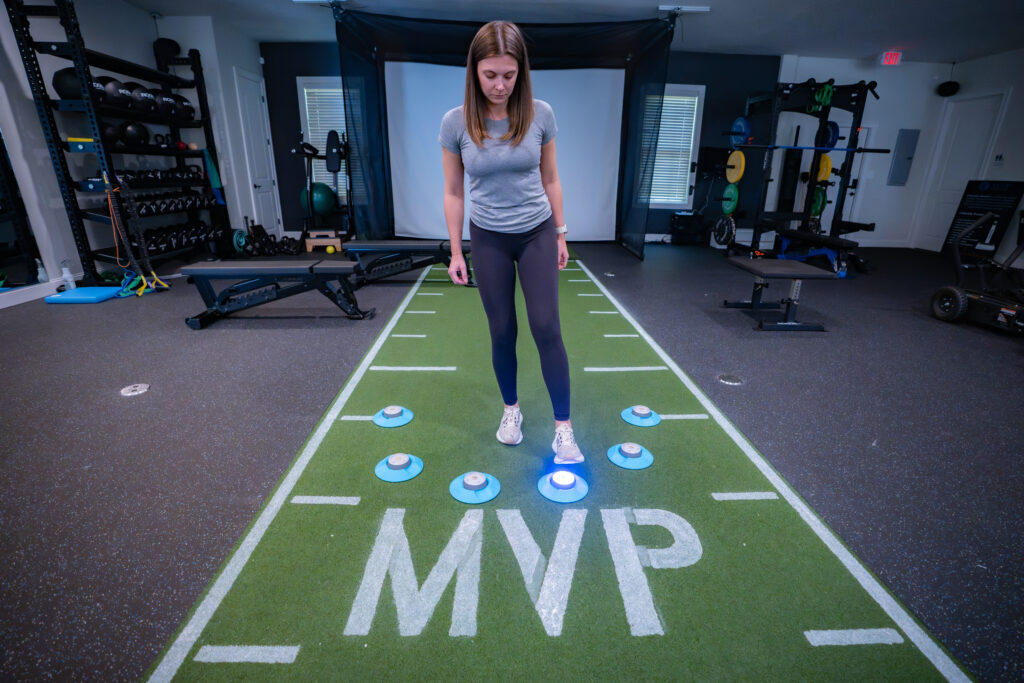
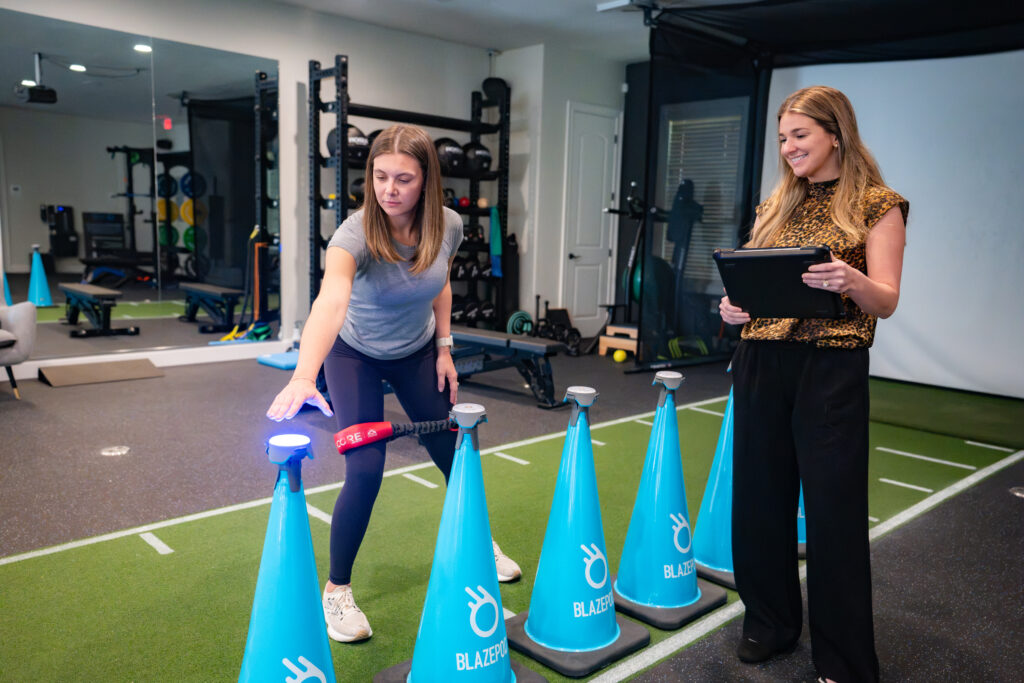
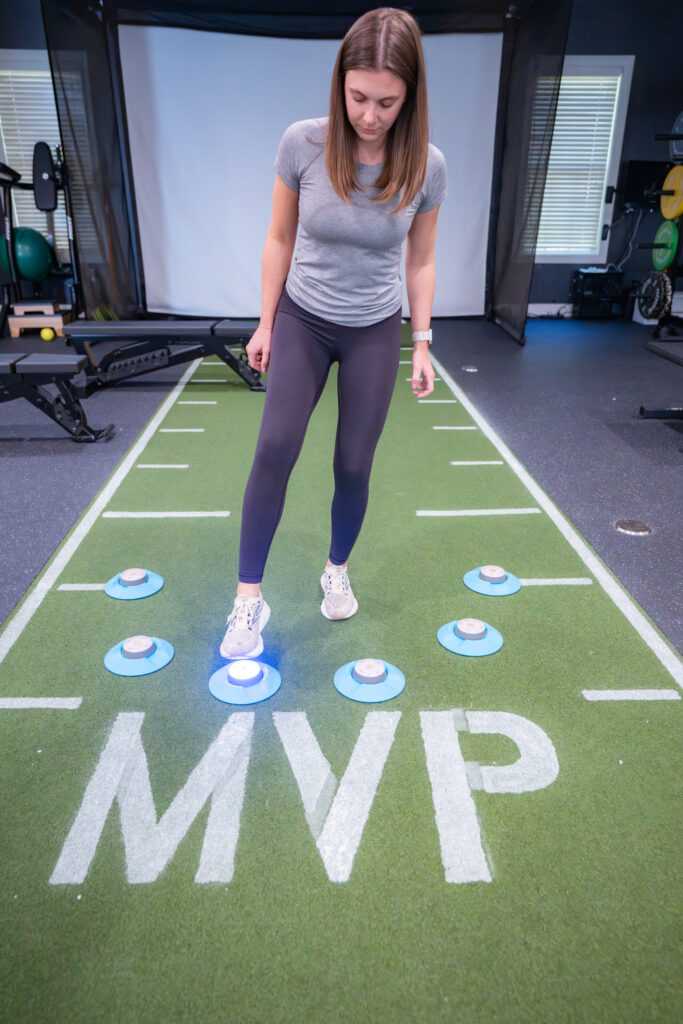
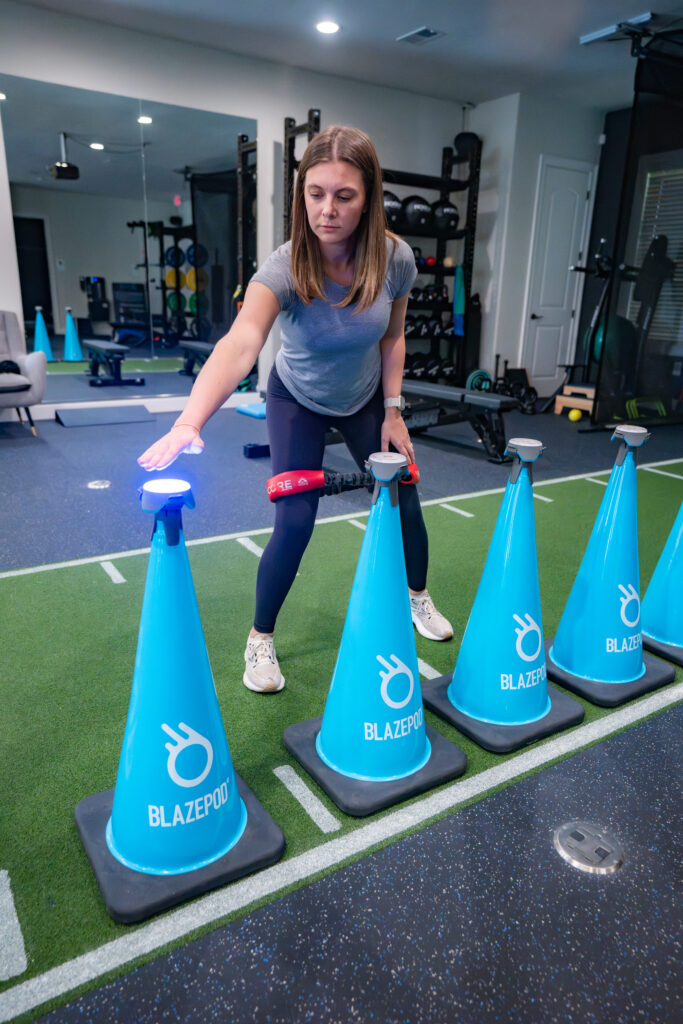
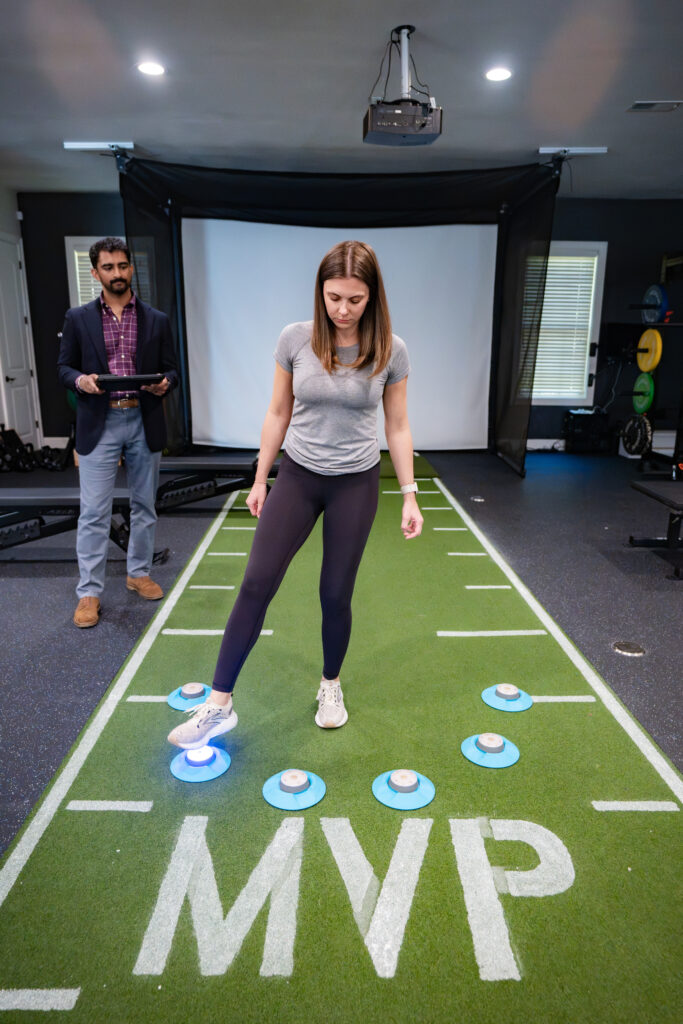
Reaction lights and stepping drills show how quickly you can recover when you are knocked off balance, the skill that actually prevents a fall.
Your home and your day
We ask about stairs, rugs, lighting, footwear, medications and what you want to get back to, so your plan fits your real life.
Your fall-prevention program
-
Measure
Your first visit is a full hour of testing and conversation, so we know exactly where your risk comes from.
-
Strengthen
Progressive strength work for the hips, thighs and ankles: the muscles that catch you when you trip.
-
Challenge your balance
Balance training that gets harder as you improve: narrower stances, softer surfaces, head turns, eyes closed and reaction drills, always with your doctor beside you.
-
Practice real life
Standing up from a chair and from the floor, turning, stepping over a curb, carrying something while you walk, and stairs.
-
Keep it going
A home program you can actually do, and practical advice on footwear and making your home safer, so the gains last.
Simple steps you can take at home
Mayo Clinic recommends a handful of practical steps alongside an exercise program. We review each of these with you:
- Have your fall risk, medications, balance and walking checked
- Keep moving: strength training, walking, water exercise or tai chi
- Wear well-fitting, flat shoes with good traction, not socks or loose slippers
- Clear clutter and cords, and secure or remove loose rugs
- Light up hallways and stairs, and use nightlights
- Use grab bars, stair rails or a cane when they help
Source: Mayo Clinic, Fall prevention: Simple tips to prevent falls
Treatments that often help
Dizziness part of the picture? See Vertigo & Dizziness and Parkinson’s Disease.
What the research says
A Cochrane review of 108 randomized trials and more than 23,000 older adults found that exercise reduced the rate of falls by 23% and the number of people who fell by 15%. The strongest evidence was for programs built mainly around balance and functional exercise.
A meta-analysis of the Otago Exercise Programme, a home-based program of leg strengthening and balance exercises, found it reduced fall rates by about a third and lowered the risk of death over 12 months in adults 65 and older.
About 4.5 million emergency department visits are due to falls among older adults, and falls cause 83% of hip-fracture deaths. Many falls are never reported, which is why we screen for fall risk at every first visit.
Centers for Disease Control and Prevention. Facts About Older Adult Falls.
What leading medical centers say
Cleveland Clinic describes fall prevention as a long-term, individualized program: an assessment of each person’s risk, then strengthening, flexibility, dynamic balance training and functional activity training, with lifestyle changes to keep the benefits going.
Cleveland Clinic’s balance experts warn that limiting activity out of fear can actually raise fall risk, and recommend regular exercise and, for significant balance problems, physical therapy.
Cleveland Clinic Health Essentials. How to conquer the fear of falling, 2023.
Mayo Clinic advises starting with an appointment to assess your fall risk, medications, balance and walking, and staying active with strength training, walking, water exercise or tai chi.