Most back pain improves. The right plan gets you there faster
Mayo Clinic notes that most back pain gets better within about a month, especially in people under 60, but for many people it lingers for months or keeps coming back. Cleveland Clinic estimates that about 23% of adults worldwide live with chronic low back pain.
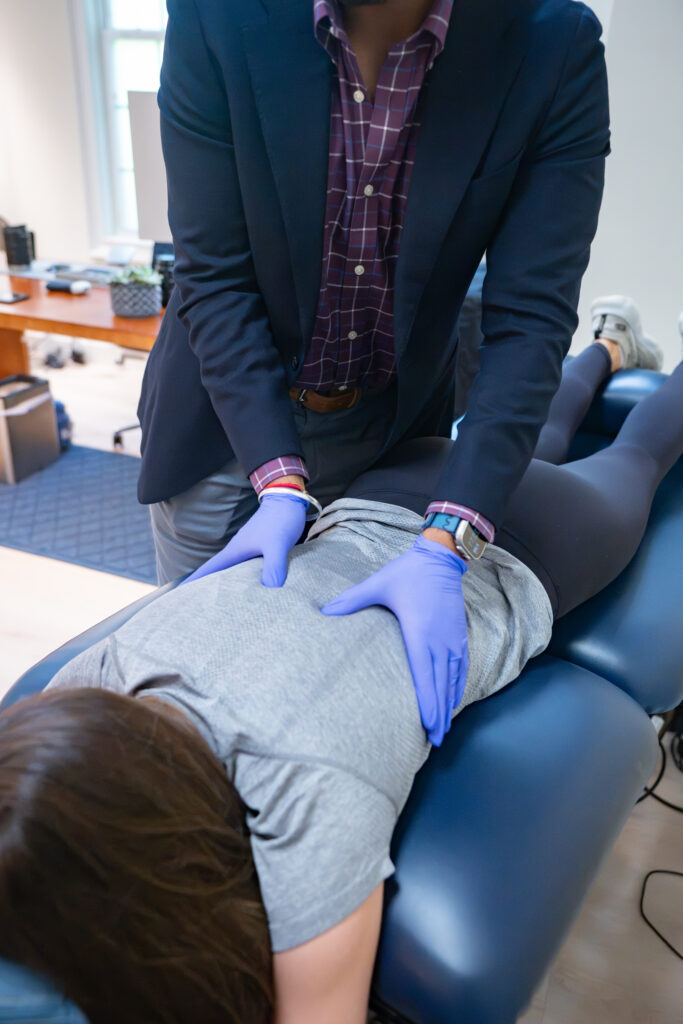
The difference is usually what happens in those first weeks. A Doctor of Physical Therapy can find what is actually driving your pain, calm it down without unnecessary imaging or medication, and build the strength and movement habits that keep it from returning.
By the numbers
Signs it is time to get your back checked
- Pain that has not improved after a week or two
- Pain that travels into the buttock or leg
- Back pain that keeps coming back
You do not need a referral or an MRI to start. If anything in your exam suggests you need imaging or a physician first, we will tell you.
Common conditions we treat
- Mechanical low back pain
- Sciatica and pain radiating into the leg
- Disc bulges and herniations
- Spinal stenosis
- Sacroiliac (SI) joint pain
- Muscle strains and spasms
- Back pain in athletes, golfers and lifters
- Rehabilitation after back surgery
What causes low back pain
Cleveland Clinic lists strains and sprains of the muscles, tendons and ligaments, often from heavy lifting or awkward twisting, as the most common cause. Arthritis, disc injuries and narrowing of the spinal canal (stenosis) follow. Far less often, back pain comes from a fracture, infection or something outside the spine, which is why every evaluation includes a screen for warning signs.
How we evaluate your back
Your first visit is a full hour, one-on-one, so nothing gets rushed.
Your story and red flags
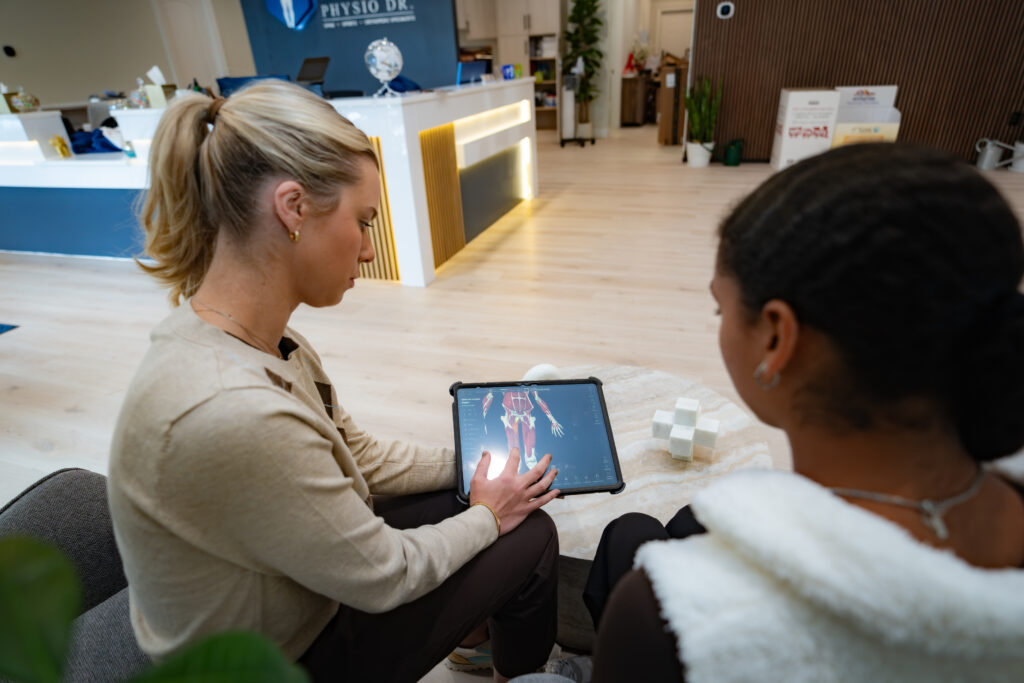
When it started, what makes it better or worse, and a screen for warning signs that need a physician.
Movement testing
Which directions and positions bring on your pain and which relieve it. That pattern guides your treatment.
Nerve check
Strength, reflexes and sensation in your legs to see whether a nerve is involved.
Hips and core
Stiff or weak hips are a common driver of back pain. We measure both.
Force-plate strength testing
Objective, side-to-side strength numbers so progress is measured, not guessed.
Your work, sport and sleep
How you sit, lift, train and sleep, so your plan fits your real day.
Your back program
-
Calm it down
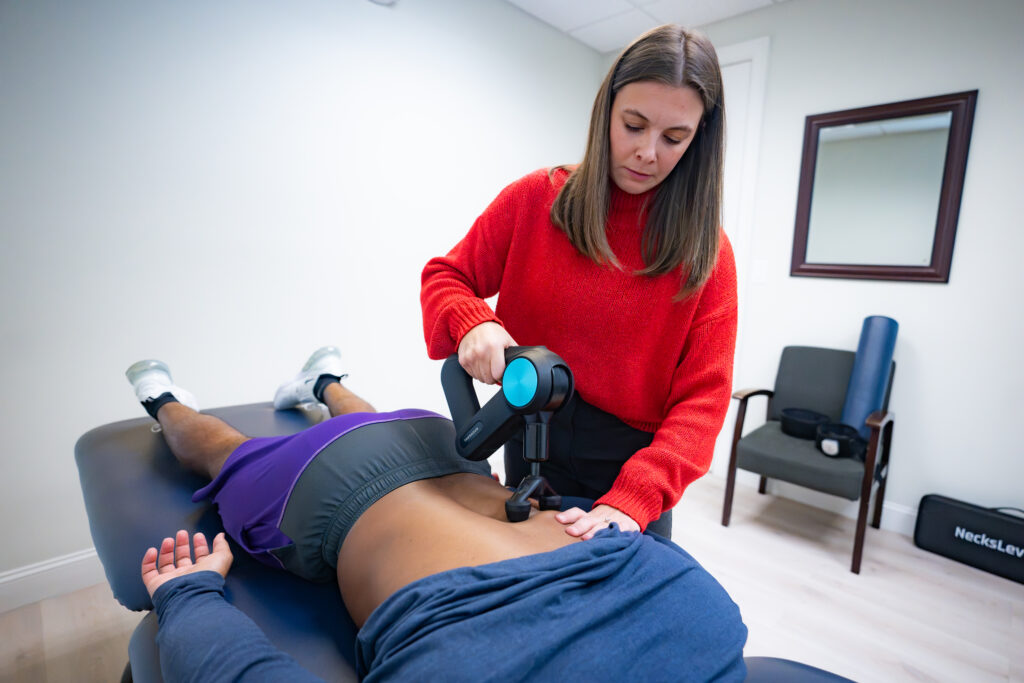
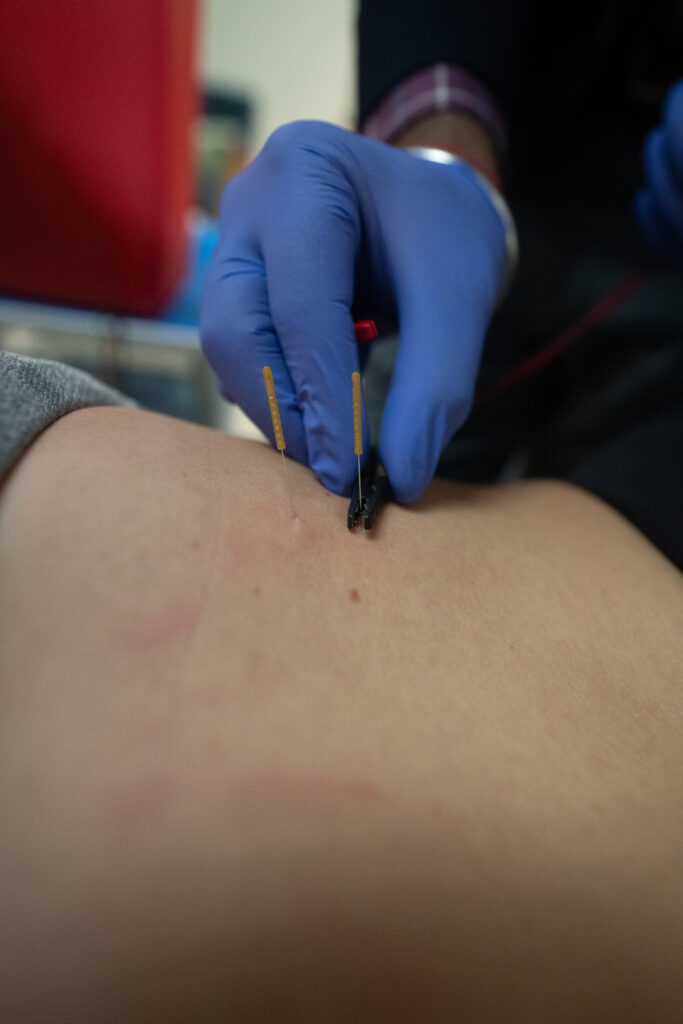
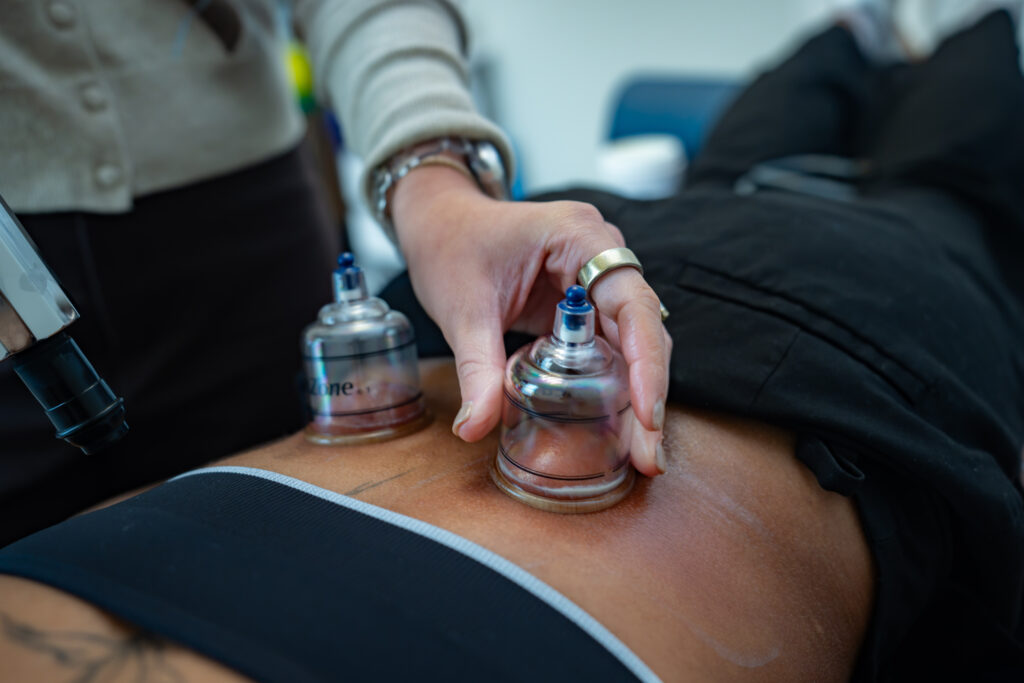
Hands-on treatment, dry needling or shockwave when appropriate, and positions and movements that ease your pain, starting at the first visit.
-
Move again
Restore normal motion in your back and hips so everyday tasks stop hurting.
-
Strengthen
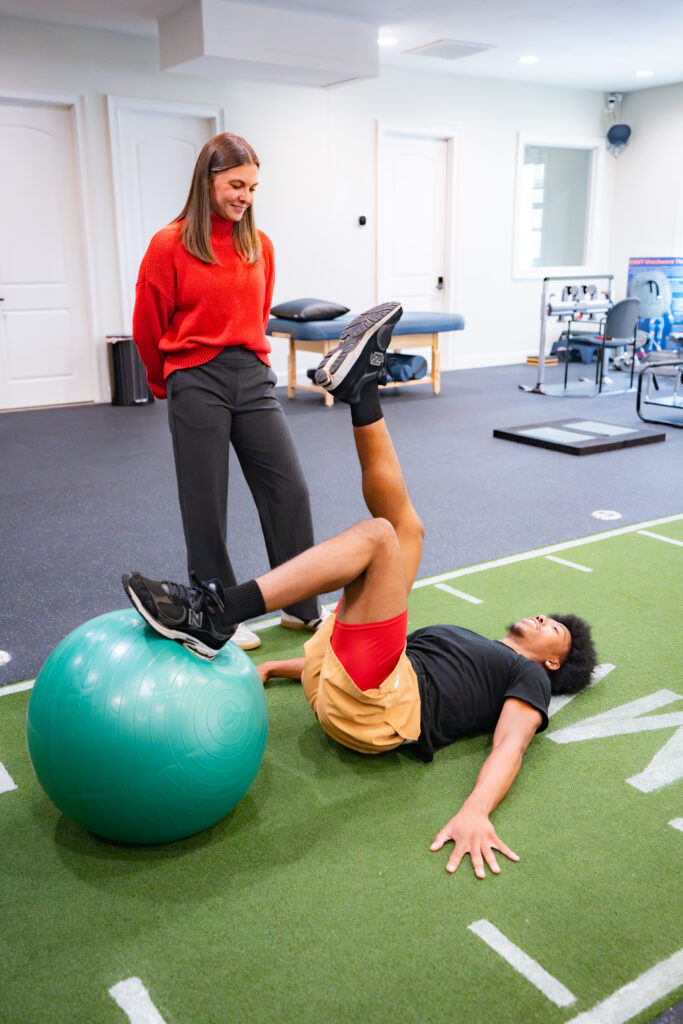
Progressive core, hip and leg strengthening that supports the spine under real-world loads.
-
Return
Practice the lifting, bending, sport or work tasks that matter to you.
-
Keep it away
A home program and habits that lower the chance of the next flare-up.
Why start with physical therapy
The American College of Physicians recommends that most people with low back pain start with non-drug treatments, such as exercise, spinal manipulation and heat, before medication.
A study of more than 32,000 patients found that starting physical therapy within 14 days was associated with lower risk of surgery, injections, advanced imaging and opioid use, and lower overall costs.
Treatments that often help
Pain in the buttock or tailbone? See Sacrum & Tailbone Pain.
What the research says
The American College of Physicians’ guideline recommends non-drug treatment first. For chronic low back pain, it names exercise and multidisciplinary rehabilitation among the first-line options; for recent pain, heat, massage and spinal manipulation.
In 32,070 patients who saw a primary care physician for new low back pain, those who started physical therapy within 14 days had lower risk of surgery, injections, imaging and opioid use over 18 months, and health care costs about $2,736 lower on average.
Low back pain affected about 619 million people worldwide in 2020 and is projected to reach 843 million by 2050. It remains the leading cause of disability in the world.
GBD 2021 Low Back Pain Collaborators. The Lancet Rheumatology, 2023.
What leading medical centers say
Mayo Clinic says physical therapy teaches exercises that improve flexibility, strengthen the back and abdominal muscles and improve posture, and that doing them regularly can help keep pain from coming back.
Cleveland Clinic notes that after a short period of rest, most people can return to normal activities, because movement improves blood flow and supports healing, and that physical therapy strengthens the muscles that support the spine and lowers the risk of re-injury.