2000 Northside Crossing, Macon · Mon–Fri 8 a.m.–6 p.m. · No referral needed to start

Treatment at MVP Physio Dr.

Post-Surgical Rehabilitation

Recovery after surgery, guided by your surgeon’s protocol and delivered one-on-one by the same Doctor of Physical Therapy from your first visit to your last.
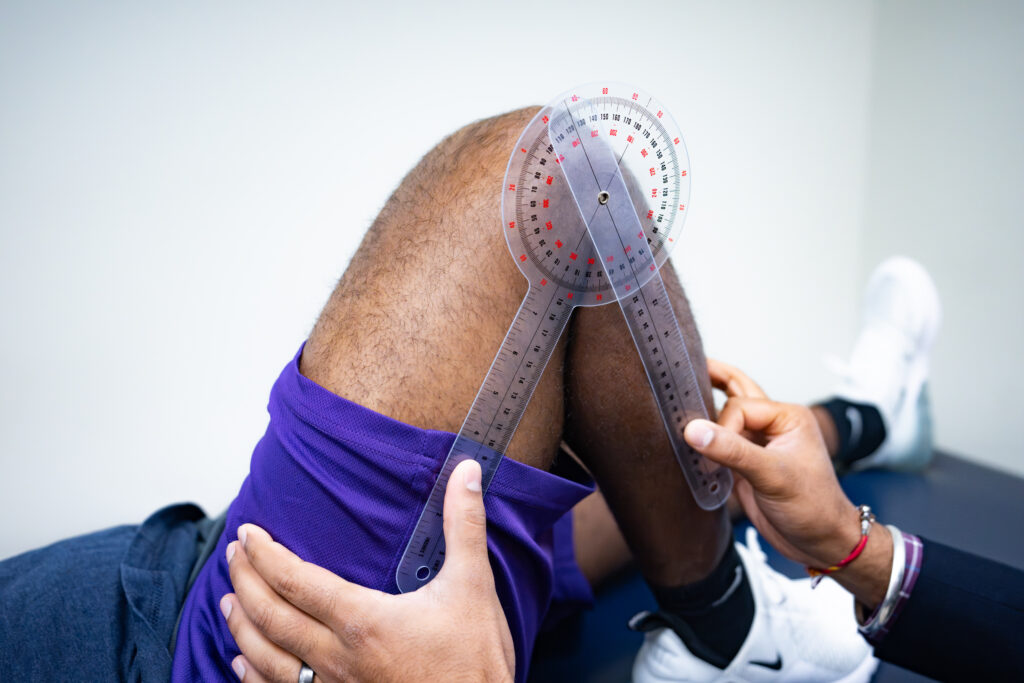
Doctor of Physical Therapy measuring knee motion with a goniometer

What it is

How it works

After surgery, the right progression at the right time matters. We follow your surgeon’s protocol and stay in communication with their office, while tailoring each phase to how your body is responding.

Tools like blood flow restriction training let us rebuild strength early, while the repair is still protected.

What it treats

Who it helps

  • ACL and other knee ligament reconstruction
  • Meniscus repair
  • Total knee and hip replacement
  • Rotator cuff and labrum repair
  • Shoulder replacement
  • Ankle and Achilles repair
  • Spine surgery
  • Fracture repair

What to expect

Your visit

Your first visit reviews your surgery and protocol, checks swelling, motion and strength, and sets your home program. Visits progress from protecting the repair, to restoring motion, to rebuilding strength, to returning to activity or sport.

Recent surgeries are prioritized when scheduling. Call as soon as you have a surgery date.

By the numbers

84%lower reinjury risk after ACL reconstruction when athletes met objective criteria before returningBritish Journal of Sports Medicine, 2016
12–18months for full recovery after knee replacementCleveland Clinic
1full hour, one-on-one, every visitMVP Physio Dr.

Every phase matters

Recovery after surgery happens in phases: protecting the repair, restoring motion, rebuilding strength and returning to the activities you care about. Rushing a phase risks setbacks. Skipping one leaves you weaker than you need to be.

Cleveland Clinic calls physical therapy the best way to help your recovery after knee replacement, and full recovery can take a year or more. After ACL reconstruction, athletes who reach objective strength and hop-test targets before returning get reinjured far less often. We follow your surgeon’s protocol and stay in communication with them as needed.

Measuring knee motion after surgery

Surgeries we rehabilitate

01

Knee

ACL reconstruction, meniscus repair, knee replacement and kneecap surgery.

02

Shoulder

Rotator cuff repair, labral repair and shoulder replacement.

03

Hip

Hip replacement, hip arthroscopy and fracture repair.

04

Spine

Lumbar and cervical surgery, including fusion and discectomy.

05

Foot and ankle

Achilles repair, ankle fracture and ligament reconstruction.

06

Elbow, wrist and hand

Fracture repair, tendon repair and ligament reconstruction.
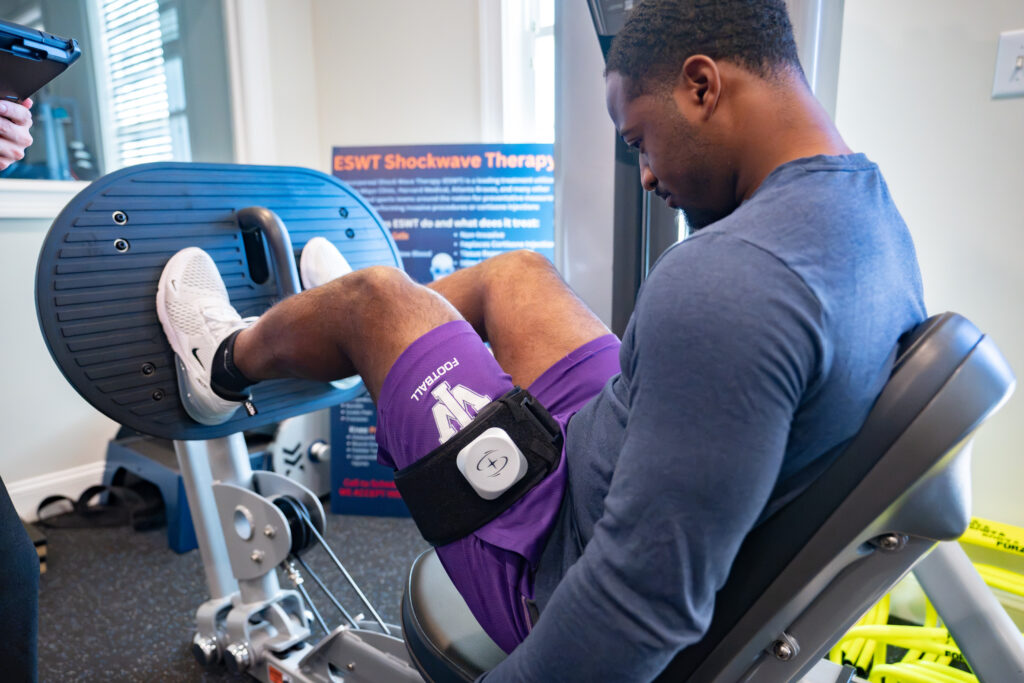
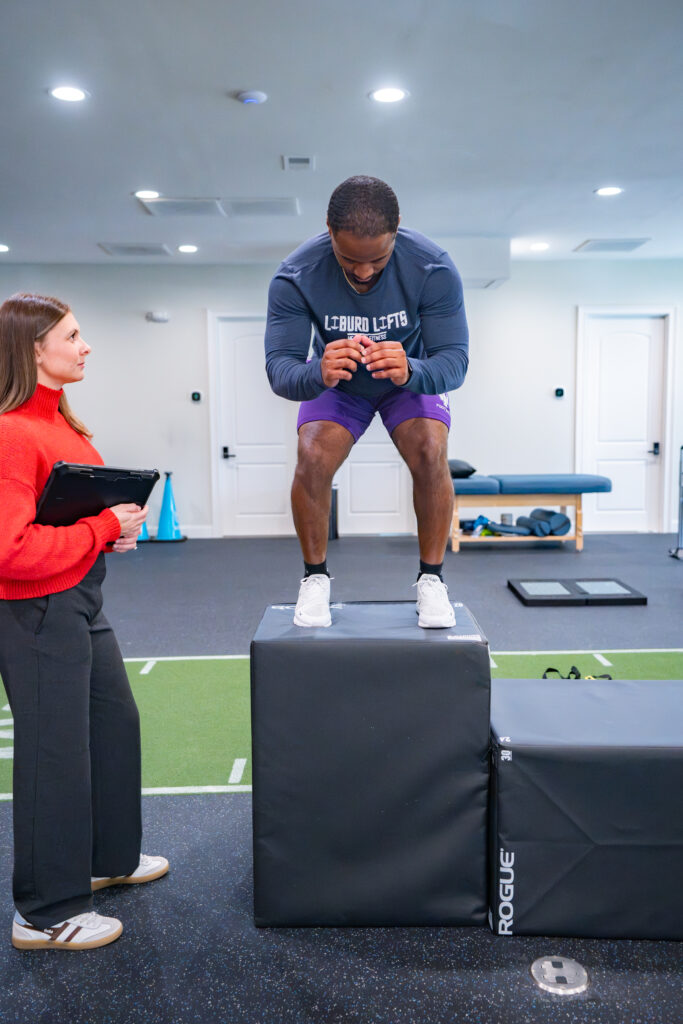
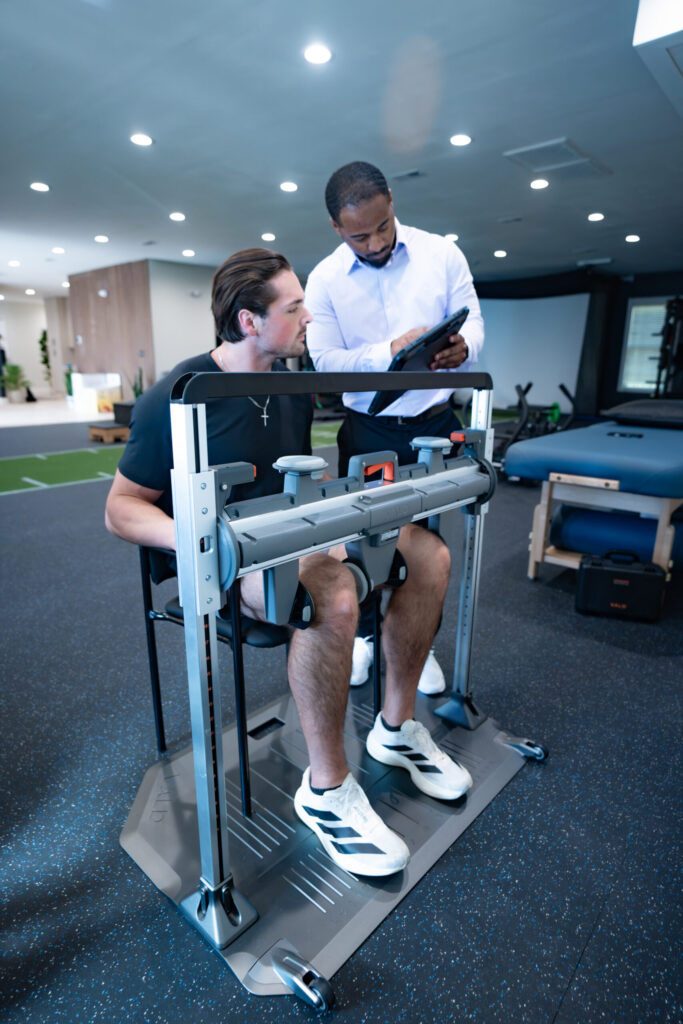
Blood flow restriction training after surgeryLanding test on the force platesKnee strength testing after surgery

Your recovery

  1. Protect

    Follow your surgeon’s protocol, control swelling and pain, and start safe motion.

  2. Restore motion

    Hands-on treatment and exercise to regain range of motion.

  3. Rebuild strength

    Progressive strengthening, with blood flow restriction when heavy loads are not yet safe.

  4. Return to function

    Stairs, lifting, running or sport, depending on your goals.

  5. Test

    Objective strength and movement testing before you return to full activity.

By the numbers

The evidence

What the research says

Athletes who met objective return-to-sport criteria after ACL reconstruction, including quadriceps strength within 10% of the other leg and passing hop tests, had an 84% lower risk of knee reinjury.

Grindem H, et al. Simple decision rules can reduce reinjury risk by 84% after ACL reconstruction. British Journal of Sports Medicine, 2016.

Cleveland Clinic calls physical therapy the best way to help your recovery after knee replacement. Most patients begin within hours of surgery, and full recovery can take a year to 18 months.

Cleveland Clinic. What to expect after knee replacement surgery.

A review of 20 studies in rehabilitation patients, including those recovering from ACL reconstruction, found that low-load blood flow restriction training built strength and was more effective and better tolerated than light training alone.

Hughes L, et al. Blood flow restriction training in clinical musculoskeletal rehabilitation: a systematic review and meta-analysis. British Journal of Sports Medicine, 2017.

Questions

What patients ask us

When should I start after surgery?

Usually within the first one to two weeks, or when your surgeon says to. Call us once your surgery is scheduled so we can hold a spot.

Do you communicate with my surgeon?

Yes. We follow your surgeon’s protocol and stay in direct communication with your surgeon’s office whenever it’s needed.

Do I need a referral?

No. In Georgia you can start with a Doctor of Physical Therapy without a physician’s referral. Call or text (478) 960-7077 to schedule.

Not sure this is the right treatment?

That is what your first visit is for. A Doctor of Physical Therapy examines you one-on-one, explains what they find, and recommends a plan built for you. No referral is needed to start.