Strong hips carry you
Your hips carry your body weight with every step and power nearly every athletic movement. Cleveland Clinic notes that hip osteoarthritis may affect up to 25% of people over 55, and that exercise is essential to managing arthritis pain and keeping your mobility. Tendon pain on the outside of the hip, labral tears and hip impingement are also common, in active adults and athletes alike.
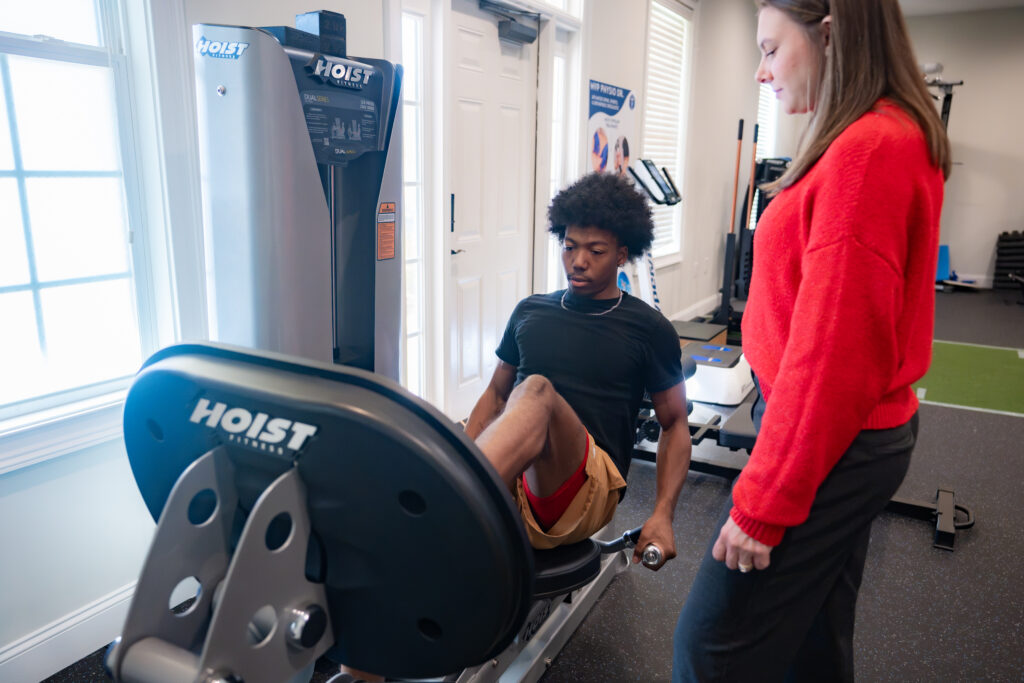
Most hip problems respond well to a plan that builds strength in the glutes and the muscles around the joint, restores motion and changes how the hip is loaded during the day.
By the numbers
Signs your hip needs a closer look
- Pain in the groin, outside of the hip or buttock
- Pain lying on your side, climbing stairs or getting out of a car
- Stiffness putting on shoes and socks
You do not need a referral or an X-ray to start. If anything in your exam suggests you need imaging or a physician first, we will tell you.
Common conditions we treat
- Hip osteoarthritis
- Outside-of-hip pain (gluteal tendinopathy and trochanteric bursitis)
- Hip impingement (FAI)
- Labral tears
- Hip flexor and groin strains
- Hamstring strains and tendon pain
- Hip pain in runners, golfers and athletes
- Rehabilitation after hip replacement, hip arthroscopy or hip fracture
Exercise beat the injection
In a trial of 204 adults with painful tendons on the outside of the hip, those who received education and a targeted exercise program did better than those who received a cortisone injection, both at eight weeks and one year.
That pattern, a targeted strengthening plan and smarter daily loading, is how we approach most hip pain. When a hip needs a surgeon, we prepare you beforehand and guide your recovery afterward, in step with your surgeon.
How we evaluate your hip
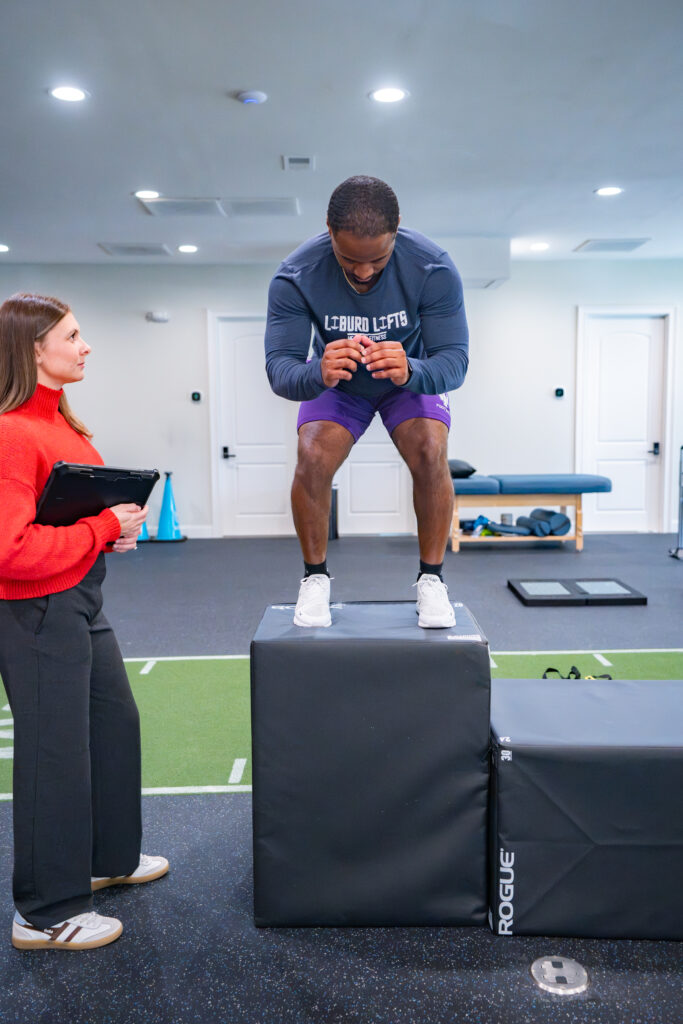
Your first visit is a full hour, one-on-one.
Your story and red flags
Where it hurts, what brings it on, and a screen for warning signs, including back problems that refer pain to the hip.
Hip motion
Rotation, flexion and extension measured side to side.
Joint and tendon tests
Hands-on tests for the joint, labrum and the tendons around the hip.
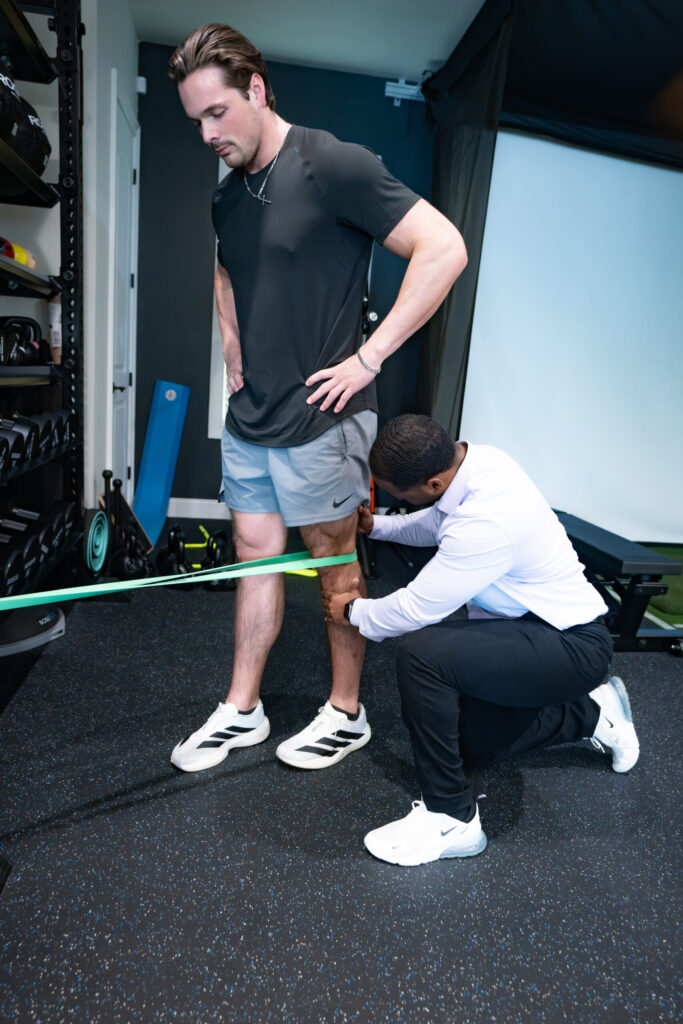
Glute and hip strength
Objective strength numbers, not guesses, so progress is measured.
Balance and single-leg control
How your hip holds you on one leg, step down and land.
Walking, running and sport
How you move in the activities that matter to you.
Your hip program
-
Calm it down
Hands-on treatment, dry needling or shockwave when appropriate, and simple changes to how you sit, sleep and stand.
-
Restore motion
Get the hip moving freely in every direction.
-
Build strength
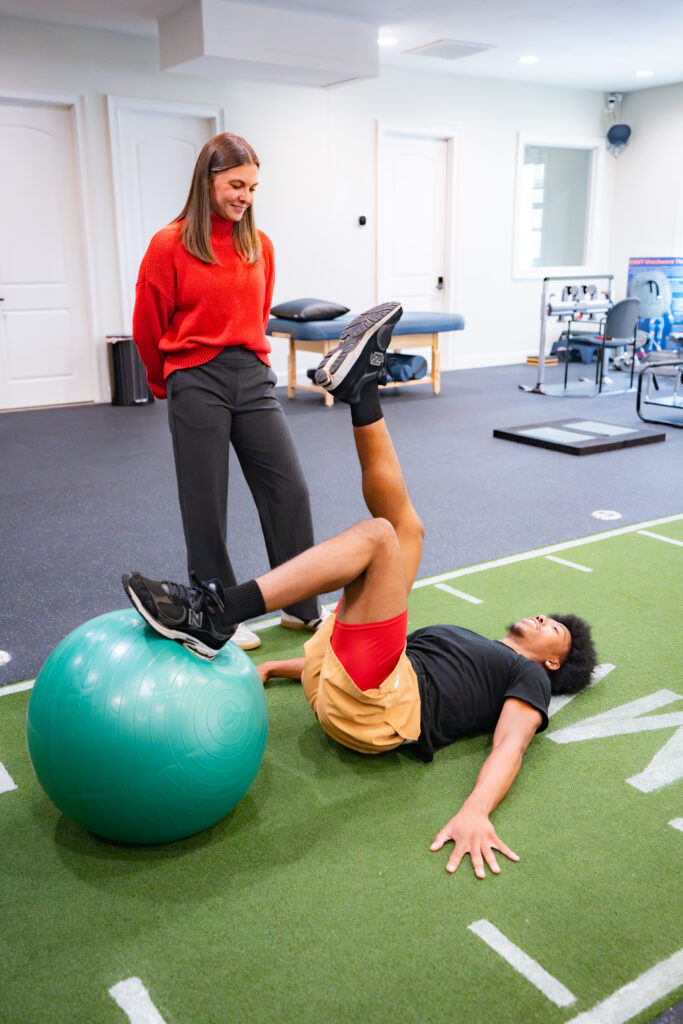
Progressive glute and hip strengthening, measured as you go.
-
Single-leg control
Balance, stepping and landing so the hip holds steady on one leg.
-
Return
Walking, running, golf, lifting or sport, depending on your goals.
Treatments that often help
Worried about falls or balance? See Balance & Falls.
What the research says
In 204 adults with gluteal tendinopathy, education plus exercise produced better results than a corticosteroid injection or wait-and-see at eight weeks, and remained better than both at 52 weeks.
About 319,000 older adults are hospitalized for hip fractures each year in the United States, and 88% of hip fracture emergency visits and hospitalizations are caused by falls.
Centers for Disease Control and Prevention. Older adult falls data.
What leading medical centers say
Cleveland Clinic calls exercise and lifestyle changes essential to managing hip arthritis pain and maintaining mobility, and notes that gentle exercise keeps the joint flexible and strong.
Cleveland Clinic says physical therapy for hip pain teaches stretches and exercises that strengthen the muscles around the hip, improving stability and helping relieve pain.