
Dizziness is common, and very treatable
About 35% of U.S. adults 40 and older have some degree of inner-ear (vestibular) dysfunction, and those with symptoms have about eight times the odds of falling. Yet many people are told to simply live with it.
The most common cause of spinning vertigo, benign paroxysmal positional vertigo (BPPV), happens when tiny crystals in the inner ear drift into the wrong canal. Mayo Clinic notes that a repositioning maneuver done in the office most often fixes it in one or two treatments.

By the numbers
Signs it is time to get checked
- The room spins when you roll over, lie down or look up
- You feel off-balance or wobbly when you walk or turn your head
- Dizziness that has lingered after an ear infection or a concussion
Sudden dizziness with a severe headache, double vision, trouble speaking, weakness or numbness needs emergency care. Call 911.
Common conditions we treat
- Benign paroxysmal positional vertigo (BPPV)
- Recurring BPPV
- Dizziness when rolling over, lying down or looking up
- Imbalance after an inner ear infection (vestibular neuritis or labyrinthitis)
- Dizziness and imbalance after concussion
- Motion sensitivity and visual dizziness
- Unsteadiness that comes with dizziness
Your balance system has three parts
Balance comes from your inner ear, your eyes and the sensors in your feet and joints, all coordinated by the brain. When the inner ear sends faulty signals, the brain gets mixed messages, and dizziness, unsteadiness and nausea follow.
Vestibular rehabilitation retrains how the brain uses those three systems. A Cochrane review of 39 trials found it is a safe, effective treatment for dizziness from inner-ear problems, with benefits lasting months.
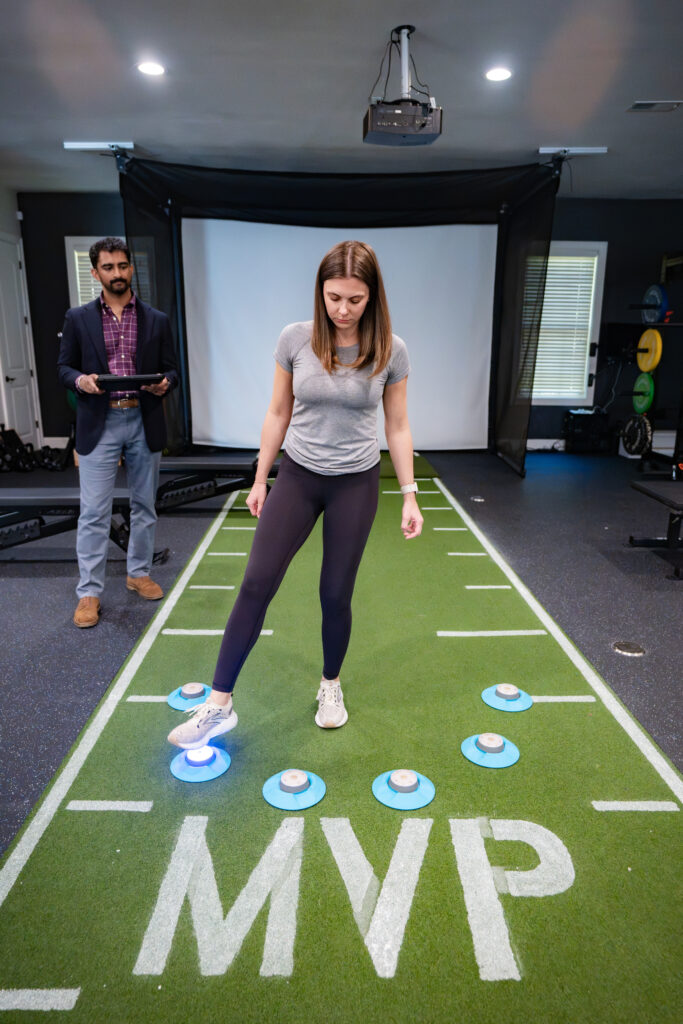
How we evaluate your dizziness
Your first visit is a full hour, one-on-one.
Your story
What the dizziness feels like, what triggers it, and how long it lasts.
Eye movements
Patterns that point to the inner ear or elsewhere.
Positional tests
Testing each inner-ear canal for BPPV.
Balance
Standing, walking and turning, with and without head movement.
Neck screen
Neck problems can cause or worsen dizziness.
Red-flag screen
If your dizziness may come from blood pressure, the heart or medication, we tell you and point you to the right physician.
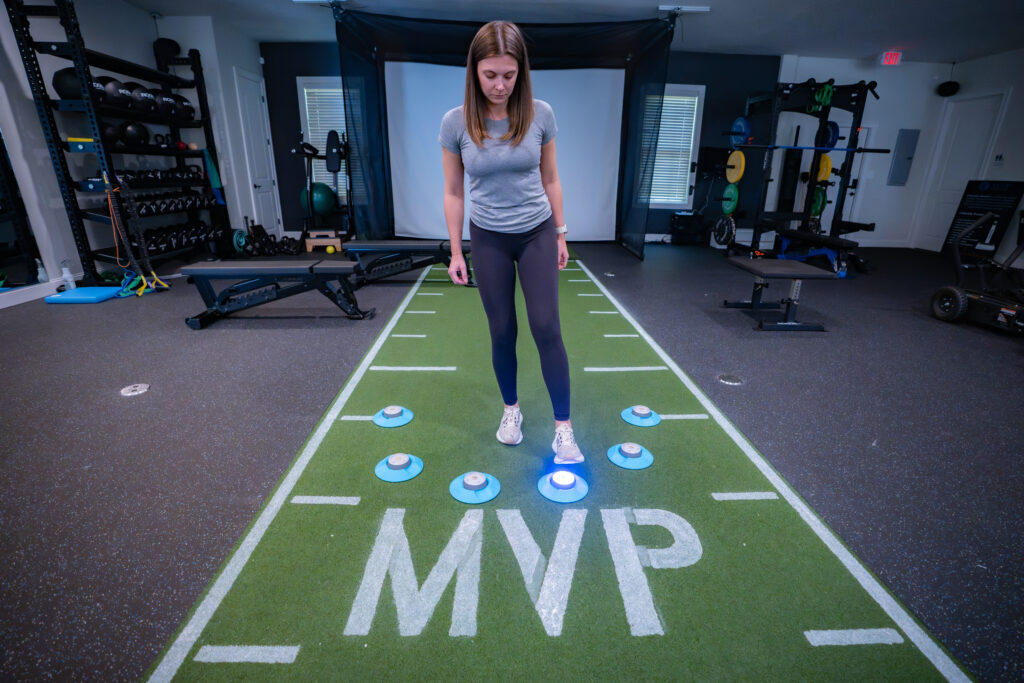
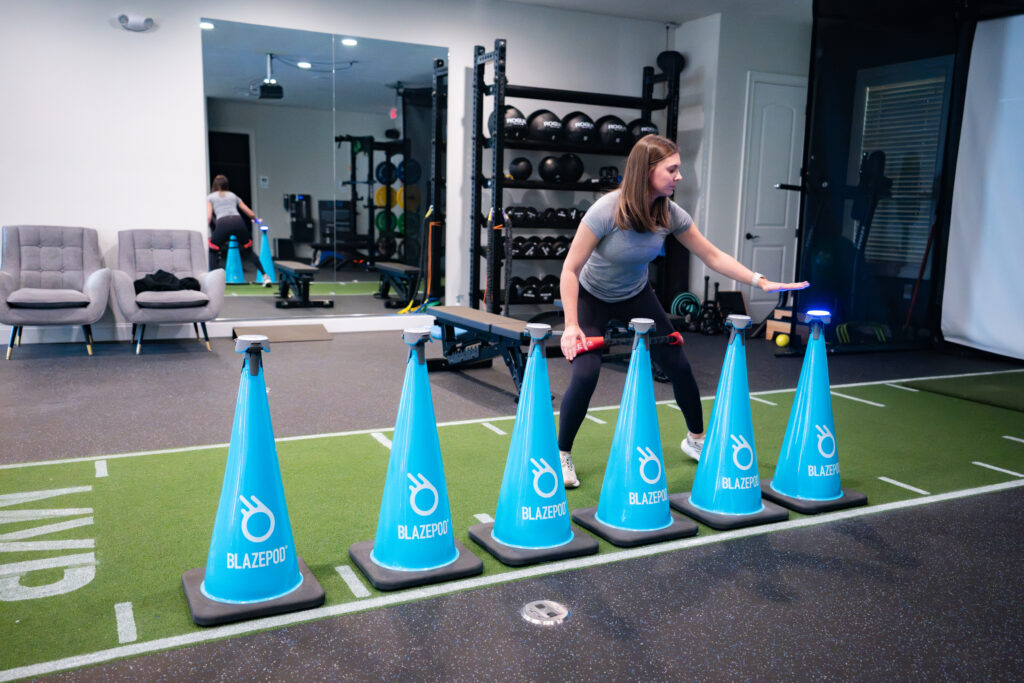
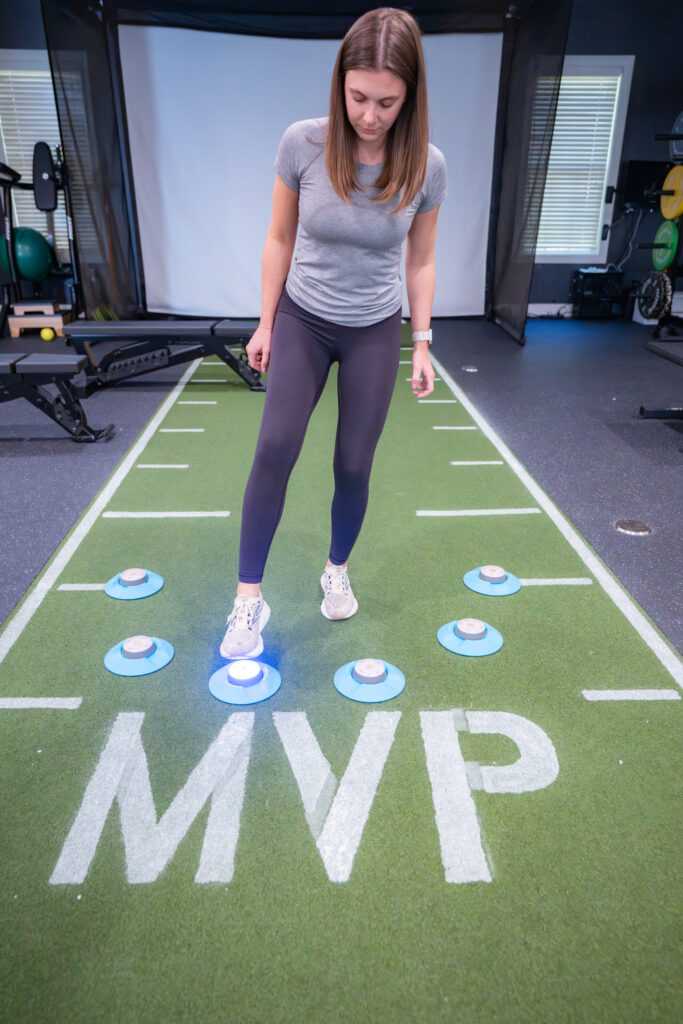
Your vestibular program
-
Reposition
If BPPV is found, a repositioning maneuver, often at your first visit.
-
Gaze stability
Exercises that keep your vision steady while your head moves.
-
Habituation
Gradual, controlled exposure to the movements that trigger dizziness.
-
Balance training
Progressive balance work for walking, turning and uneven ground.
-
Home plan
Simple exercises, and how to treat BPPV yourself if it comes back.
Treatments that often help
Worried about falls? See Balance & Falls.
What the research says
A Cochrane review of 39 randomized trials found moderate to strong evidence that vestibular rehabilitation is a safe, effective treatment for dizziness from inner-ear problems, with benefits lasting 3 to 12 months. For BPPV, repositioning maneuvers worked best in the short term, and combining them with vestibular exercises helped longer-term recovery.
About 35% of U.S. adults aged 40 and older had vestibular dysfunction, and those with symptoms had eight times the odds of falling.
BPPV becomes more common with age, and in older adults it can seriously affect balance and lead to falls, which is why we treat dizziness and balance together.
MSD Manual Professional Version. Benign paroxysmal positional vertigo.
What leading medical centers say
Mayo Clinic describes the canalith repositioning procedure, a series of slow, specific head movements done in the office, as the treatment for BPPV and notes that it most often works after one or two treatments. Patients can also be taught to repeat it at home if BPPV returns.