By the numbers
Common does not mean you have to live with it
Back, pelvic and hip pain are so common in pregnancy that many women are told it is simply part of the deal. It does not have to be. In a Cochrane review of 34 trials, an 8- to 12-week exercise program reduced the number of women reporting back and pelvic pain, and reduced pain-related sick leave.
The same is true after delivery. Abdominal separation, a weak core and a sore back are common in the first year, and a structured return to strength is what gets you back to lifting, running and carrying your baby without pain.
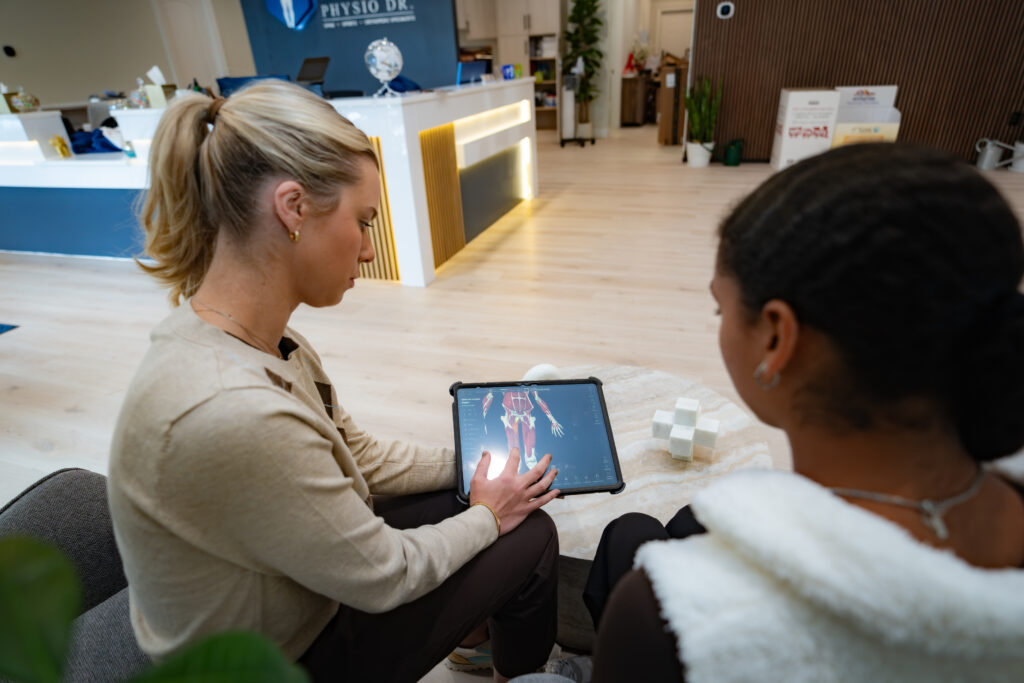
Before, during and after pregnancy
Care changes with each stage. Every visit is a full hour, one-on-one.
Before pregnancy
Treat existing back, hip or pelvic pain now, and build the hip, core and back strength that will carry the load of pregnancy.
First trimester
Conservative hands-on care and an exercise plan you can keep up as your body starts to change.
Second trimester
Often when back and pelvic pain begin. Stabilizing exercise, hands-on treatment and changes to how you move, sit and sleep.
Third trimester
Positions that keep you off your back, comfort and sleep strategies, a support belt when it helps, and a plan for recovery after delivery.
The first 12 weeks after delivery
Gentle at first, then rebuilding core, hip and leg strength with low-impact work, following your OB-GYN or midwife’s guidance.
Back to running, lifting and sport
Strength and force-plate testing show when you are ready, so the return is based on measurements, not guesswork.